Skip to content

When “normal” masks the signs of anemia: Years spent living with symptoms that had an answer 

Current as of 2026

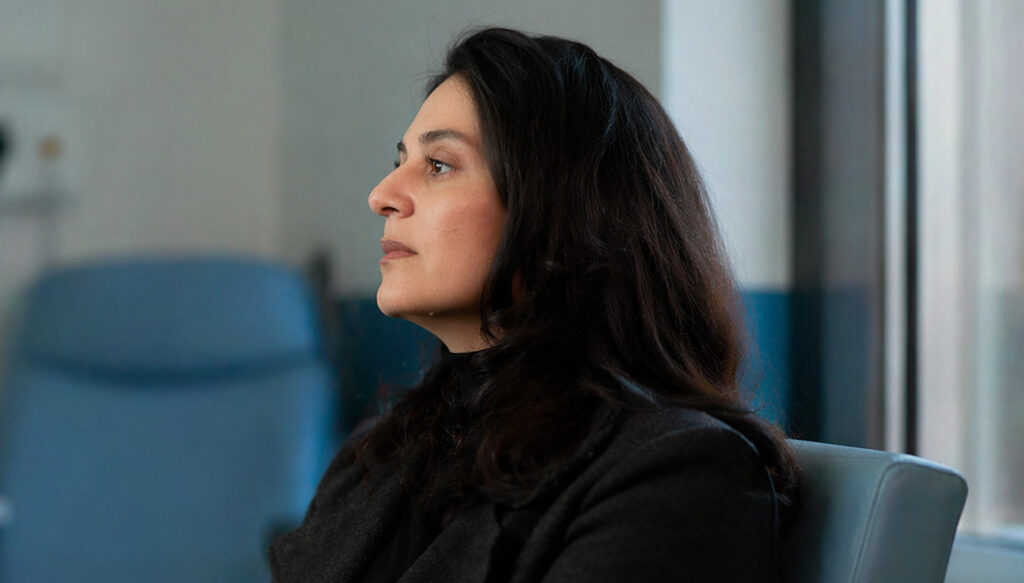
As a college student in India, Poorvishri R, Inside Sales Representative at HemoCue, was focused on her studies, her ambitions, and the future she hoped to build.

Like many young people, she wanted to do well academically, spend time with friends, and make the most of her school and college years. But for years, certain challenges quietly shaped what she could and could not do.

Painful periods occasionally kept her away from school. Fatigue made it harder to keep up with daily demands. Headaches and difficulty concentrating became familiar obstacles she simply learned to work around.

However, nothing about Poorvishri’s experiences seemed unusual enough to question, so she assumed they were simply part of growing up.

Poorvishri R
Inside Sales Representative
HemoCue India

“By the time I reached college, I had spent years planning my life around symptoms I assumed were normal. I relied heavily on pain medication and sometimes avoided activities because I worried about how I would feel. Yet I rarely considered that an underlying health condition might be contributing to what I was experiencing. I believed it was simply something I had to tolerate.”

Looking back, the surprising part of her story is not that she had anemia. It’s that she spent years living with the symptoms before anyone suggested checking for it.

This raises an important question: If the answer was there, why did it take years to find?

For much of Poorvishri’s adolescence, the symptoms were treated as something to manage rather than something to investigate. After all, many of her friends experienced similar challenges. No one asked whether there could be an underlying cause and Poorvishri never thought to ask herself.


The answer arrived by chance

The answer did not come after a series of medical investigations. Instead, it appeared almost entirely by chance.

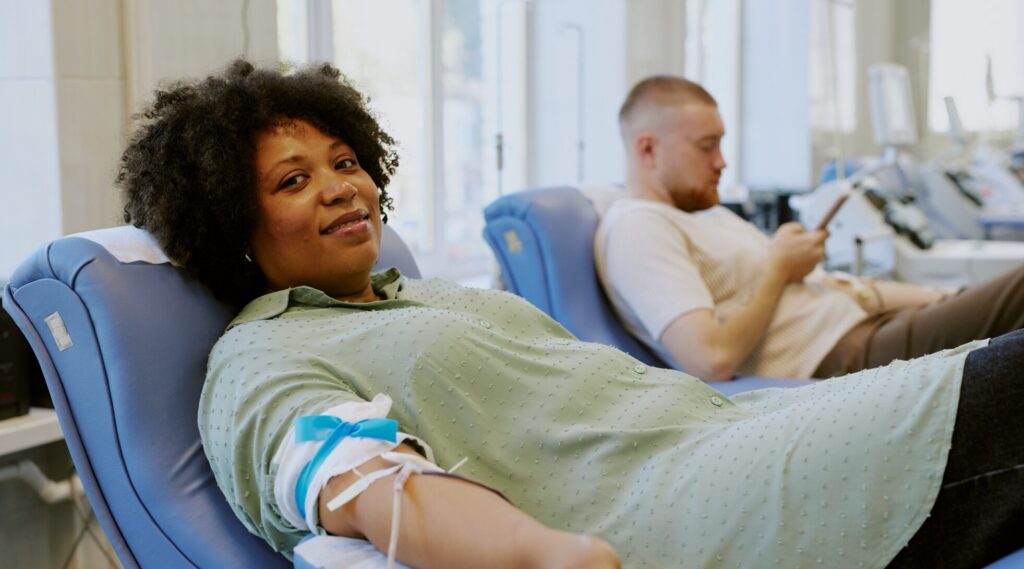
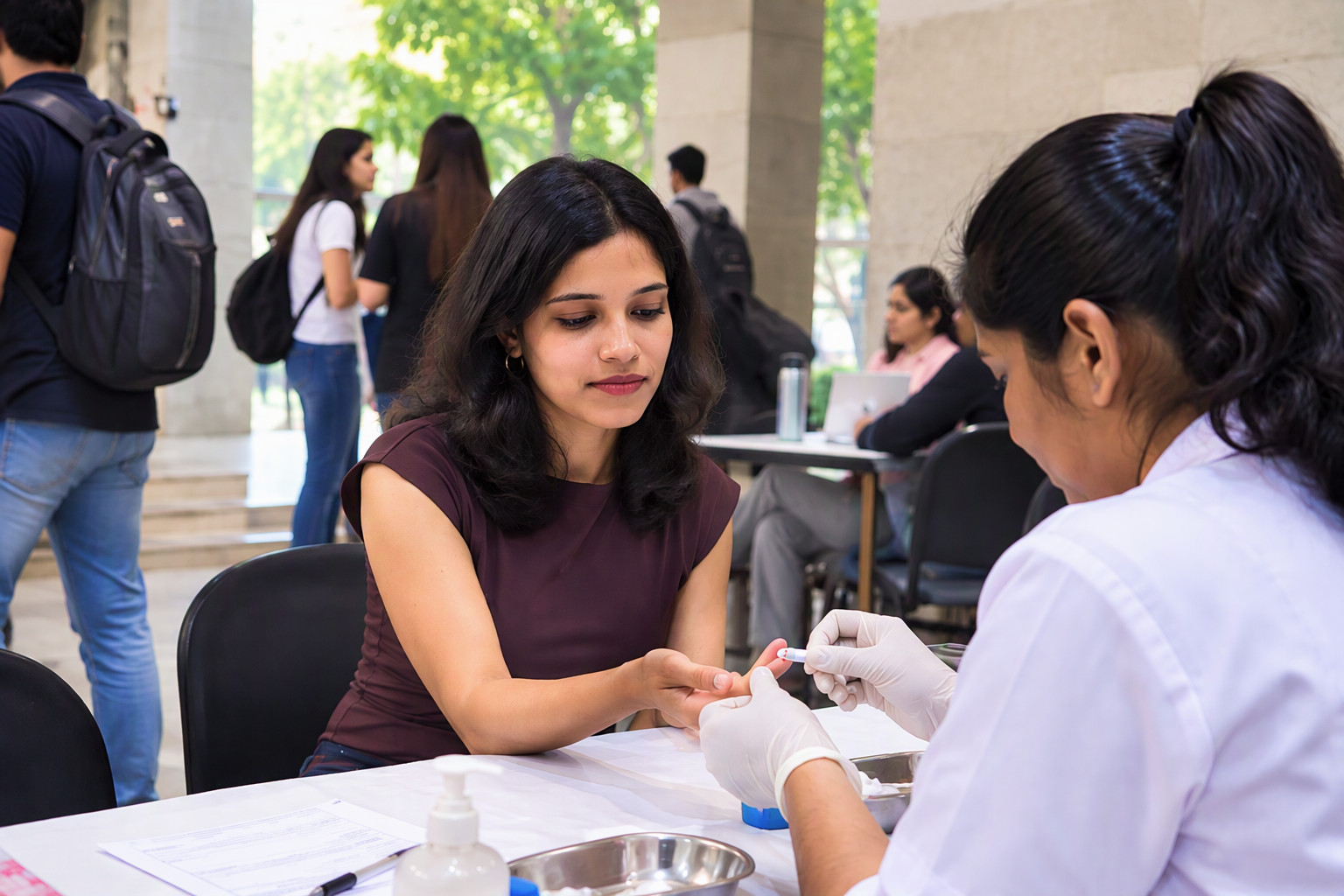
While helping organize a blood donation camp during college, one of the attending doctors suggested checking her hemoglobin level. What seemed like a routine assessment quickly became a turning point. The test revealed a markedly low hemoglobin level, indicating severe anemia, and for the first time, years of symptoms suddenly made sense.


“I wasn’t looking for a diagnosis when I got tested. The biggest surprise wasn’t learning that I had anemia. It was realizing how long I had been living with symptoms without questioning them.”

The striking part of her story is that finding the answer did not require years of investigations or complex procedures. All it required was a simple hemoglobin test.


A story shared by many

Poorvishri’s experience is not an isolated one.

In India, anemia affects many adolescent girls, yet it often goes unrecognized until it begins affecting daily life.

According to the World Health Organization (WHO), adolescents, particularly menstruating adolescent girls, are among the populations most vulnerable to anemia due to the combined demands of growth and blood loss during menstruation. As a result, opportunities for earlier identification are easy to miss.


What does the data say?

  • 58.9% of Indian girls aged 15–19 years are affected by anemia (NFHS-5)
  • 21 of 28 states in India experienced a rise in anemia among adolescent women between NFHS-4 and NFHS-5
  • 25% higher odds of anemia were observed among adolescent women with no formal education

Finding the answer, feeling the difference

The diagnosis provided more than an explanation for Poorvishri. It provided an opportunity to act.

Following treatment, she began noticing meaningful improvements in both her physical and mental well-being. Activities felt less exhausting, and she was better able to engage in both academic and extracurricular activities.


“Receiving a diagnosis didn’t just provide answers. It helped me understand how much those symptoms had been influencing my daily life. Only then did I realize how many opportunities I had adjusted or planned around because I thought feeling that way was normal” 

What she wishes she had known sooner

For Poorvishri, one realization stands out above all others.

“If I had known earlier that these symptoms could be linked to anemia, I would have sought help sooner. Regular screening during adolescence could have made a significant difference. It may have helped me get diagnosed earlier, start treatment sooner, and avoid years of struggling with symptoms,” said Poorvishri.

Her advice to other adolescents is simple: don’t assume persistent symptoms are something you simply have to accept.


The value of early detection

Poorvishri’s story demonstrates how earlier screening could have identified anemia before years of symptoms began shaping her everyday decisions.

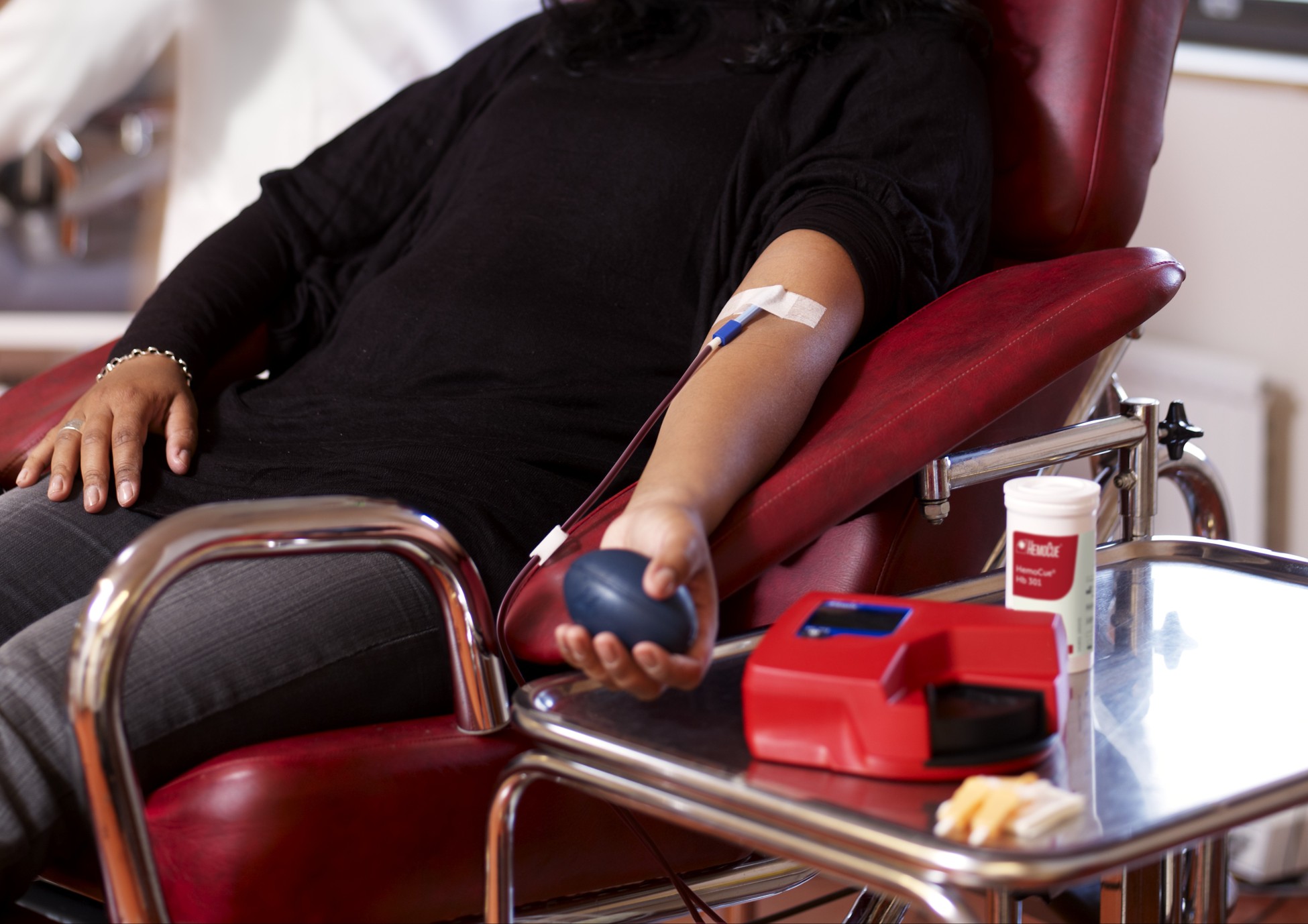
Today, hemoglobin testing solutions make it possible for healthcare professionals to screen for anemia and identify individuals who may need further assessment and care.

At HemoCue, we believe earlier answers can lead to better outcomes. Through accurate hemoglobin testing, we support healthcare professionals in identifying anemia sooner, enabling timely intervention and helping more adolescents receive the care they need before symptoms begin affecting their education, participation, and quality of life.

Because the next diagnosis shouldn’t depend on chance.

A simple hemoglobin test helped change Poorvishri’s path and more adolescents deserve the opportunity to get answers before years of symptoms become years of missed opportunities.


References:

https://www.who.int/news-room/fact-sheets/detail/ANAEMIA
https://journals.plos.org/globalpublichealth/article?id=10.1371/journal.pgph.0002117


Related stories