Skip to content

Maternal health should start before pregnancy 

Current as of 2026

For too long, efforts to improve maternal health have often begun only once a woman becomes pregnant. By then, an important opportunity to protect her health, and the health of a future baby, may already have been missed.

We spoke with Professor Nike Bello, National Coordinator of the WOMAN-3 Trial in Nigeria and obstetrician at University College Hospital Ibadan, about why preventing, detecting and treating anemia earlier in women’s lives matters.

The WOMAN-3 Trial is an international randomized, placebo-controlled trial taking place in Nigeria, Pakistan and Tanzania. The trial, led by Professor Nike Bello and Professor Oladapo Olayemi, aims to determine whether oral tranexamic acid (TXA), taken during menstruation in adult women, alongside iron and vitamin supplements, is more effective at treating anemia than with supplements alone. Screening in Nigeria began in June 2026, and the team has already recruited 300 participants.
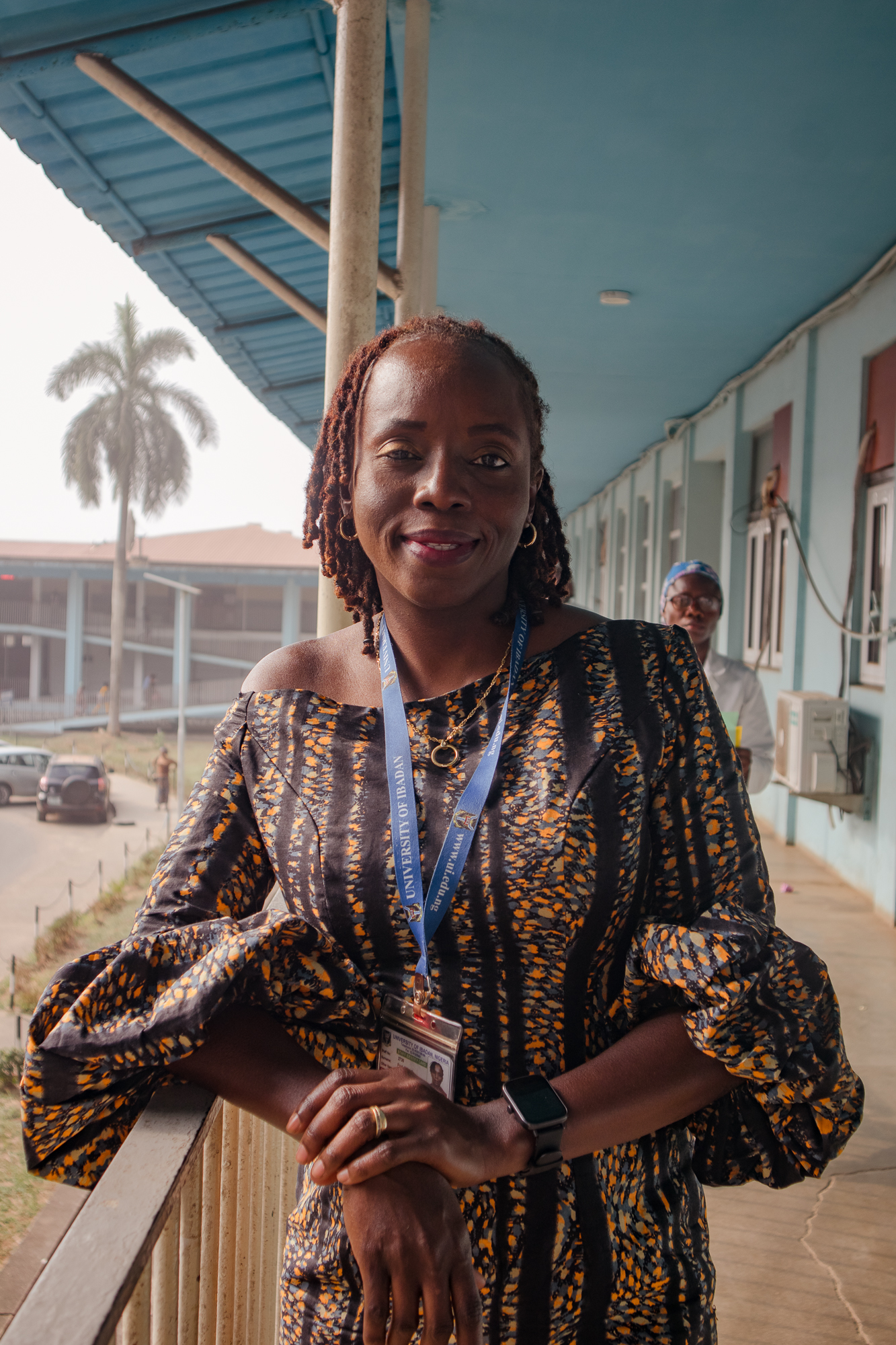
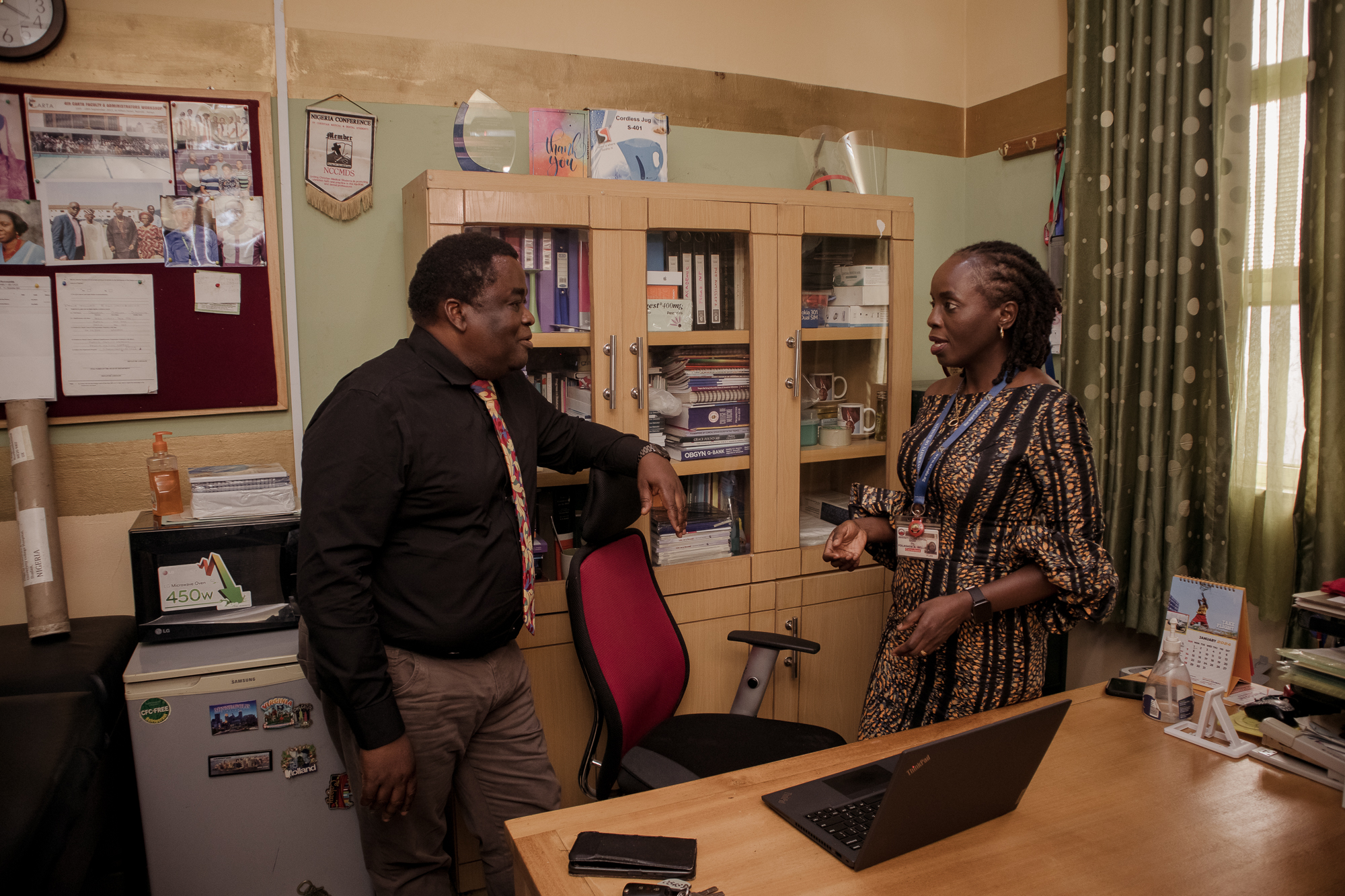
 

Professor Nike Bello at UCH Ibadan, Nigeria. Credit: LSHTM

Nike Bello
Professor
UCH Ibadan, Nigeria

“As part of a global team of researchers and clinicians, we have used TXA across several trials to reduce the impact of postpartum hemorrhage. In doing so, we found that anemia is a significant driver of death, near miss, and other serious maternal health outcomes for women in pregnancy. The next phase of our work is therefore to take action to tackle anemia earlier in the life course.”

What is TXA?

TXA is widely used to reduce bleeding because it prevents blood clots from breaking down.


Professor Oladapo Olayemi and Professor Nike Bello. Credit: LSHTM

Why anemia before pregnancy matters

Anemia affects around half a billion women 15–49 years of age worldwide and can cause fatigue, headaches, breathlessness, heart palpitations, and difficulty concentrating. It can affect women’s education, employment, fertility and quality of life.1 If a woman becomes pregnant while anemic, she also faces a greater risk of premature birth, stillbirth, postpartum hemorrhage and maternal death.2

Pregnancy places additional demands on a woman’s body. If she enters pregnancy with low hemoglobin levels, she begins that journey with less capacity to carry oxygen and less reserve to withstand blood loss during childbirth.

This is why we need to move beyond the idea that anemia becomes important only during antenatal care. Prevention, detection and treatment should begin much earlier, including from the time girls start menstruating. Helping women enter pregnancy with healthy hemoglobin levels could reduce their risk of severe bleeding and other life-threatening complications during childbirth.

Symptoms of anemia also need to be taken more seriously. Tiredness and dizziness, headaches, breathlessness, difficulty concentrating and heart palpitations can easily be dismissed as normal consequences of menstruation, pregnancy, studying, working or caring for a family. But persistent or severe symptoms should never be normalized and ignored.


“I would like women to feel confident raising these symptoms with healthcare professionals. Equally, healthcare professionals should listen carefully and consider anemia rather than assuming that fatigue and dizziness are an unavoidable part of being a woman or being pregnant.” 

Breaking the cycle of anemia and bleeding

Anemia remains relatively neglected partly because it is so common. What is widespread can easily begin to appear normal. Additionally, its symptoms are not always specific, and its most serious consequences may become visible only during pregnancy or childbirth.

Another reason is that maternal health programs have often focused on the immediate emergency of postpartum hemorrhage without paying enough attention to the woman’s health before bleeding begins, especially with the uneven spread of antenatal care that women receive in different regions. UNICEF data from 2024 shows that most pregnant women access skilled antenatal care at least once, but globally, only 70% receive four antenatal care visits. The rate for this is the lowest in sub-Saharan Africa and South Asia, at between 57 and 58%.3

Evidence from the WOMAN-2 Trial2, which involved more than 15,000 women, suggests that anemia could be responsible for half of severe postpartum hemorrhage cases in these regions.


“It is well known that bleeding can cause anemia, but the relationship also works in the other direction: anemia can worsen bleeding. An anemic woman may have heavier menstrual bleeding, lose more iron and become more anemic. Providing iron without also reducing menstrual blood loss may therefore be inefficient for some women. This is the cycle that the WOMAN-3 Trial is seeking to interrupt.” 
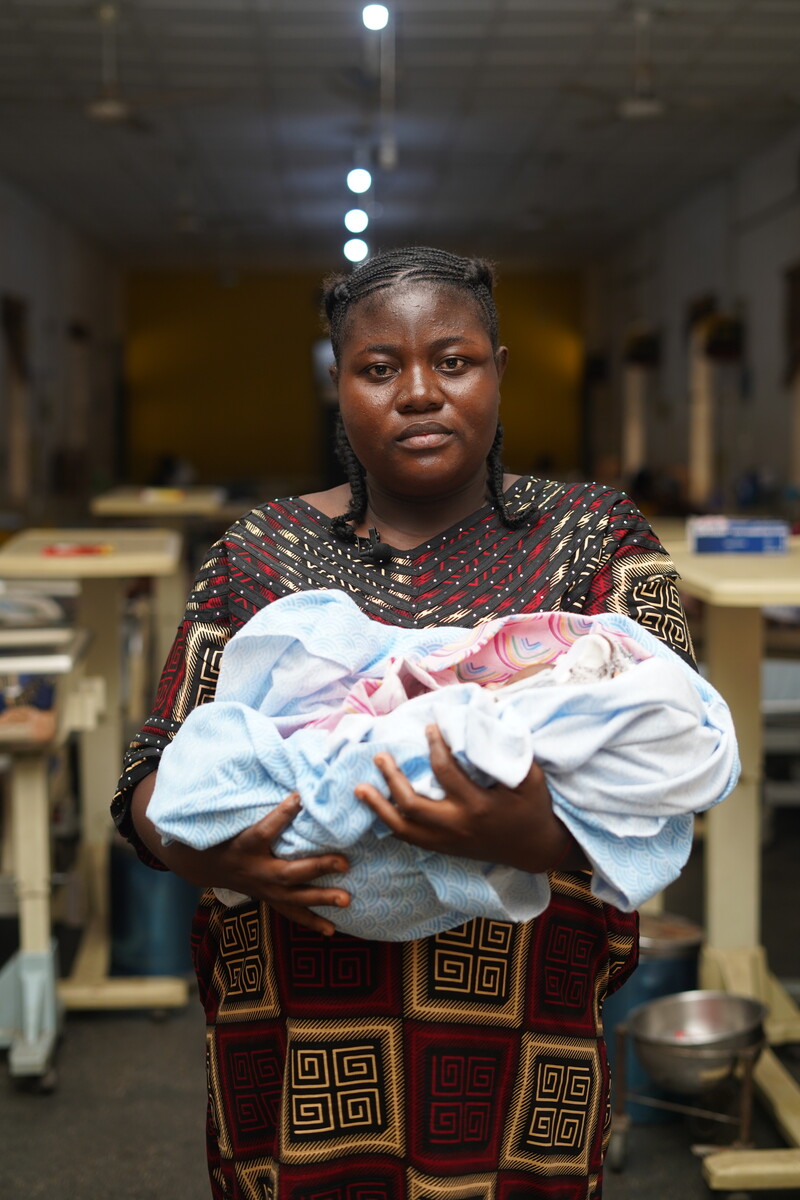
Mother and baby. Credit: LSHTM

Anemia also reduces a woman’s ability to survive and recover from postpartum hemorrhage. A woman with healthy hemoglobin levels has a greater physiological reserve. A woman who is already severely anemic may develop shock or organ failure after losing a comparatively modest amount of blood.


What we’re learning in Nigeria

The burden in Nigeria is substantial. A 2023 study in Lagos found that almost 40% of women were anemic.4

“When our team began screening medical students in Ibadan for the WOMAN-3 Trial, more than two-thirds of the first group of over 30 students screened were found to be anemic. These were young women studying medicine, yet anemia was still extremely common,” said Professor Bello.

Bello’s experience highlights how anemia can go unnoticed, even among young women who may otherwise appear healthy. Symptoms such as fatigue can easily be attributed to being busy or stressed rather than prompting further investigation.

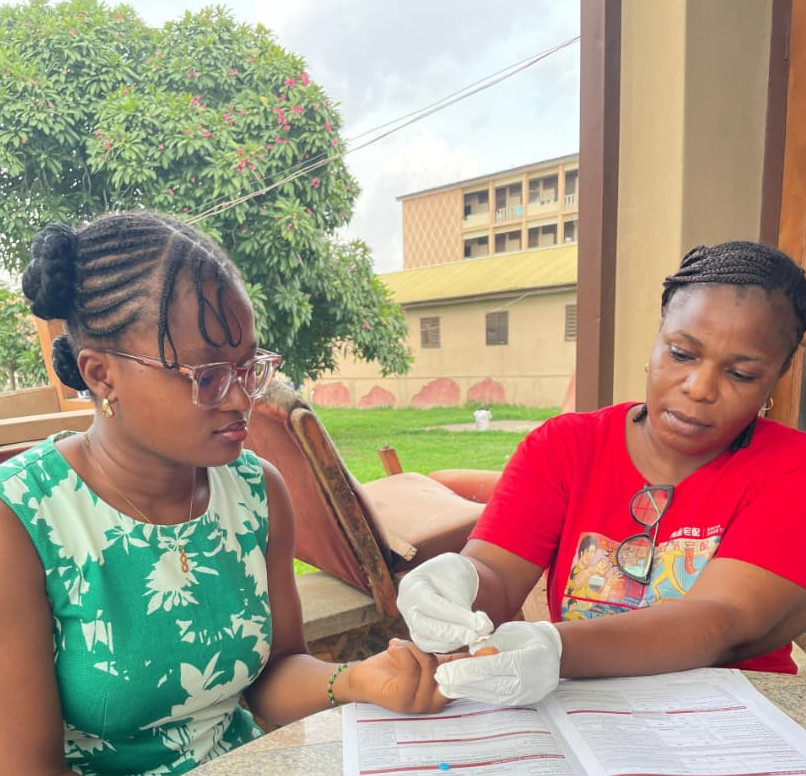
Screening and recruitment for the WOMAN-3 Trial in Nigeria. Credit: LSHTM

Making earlier detection possible

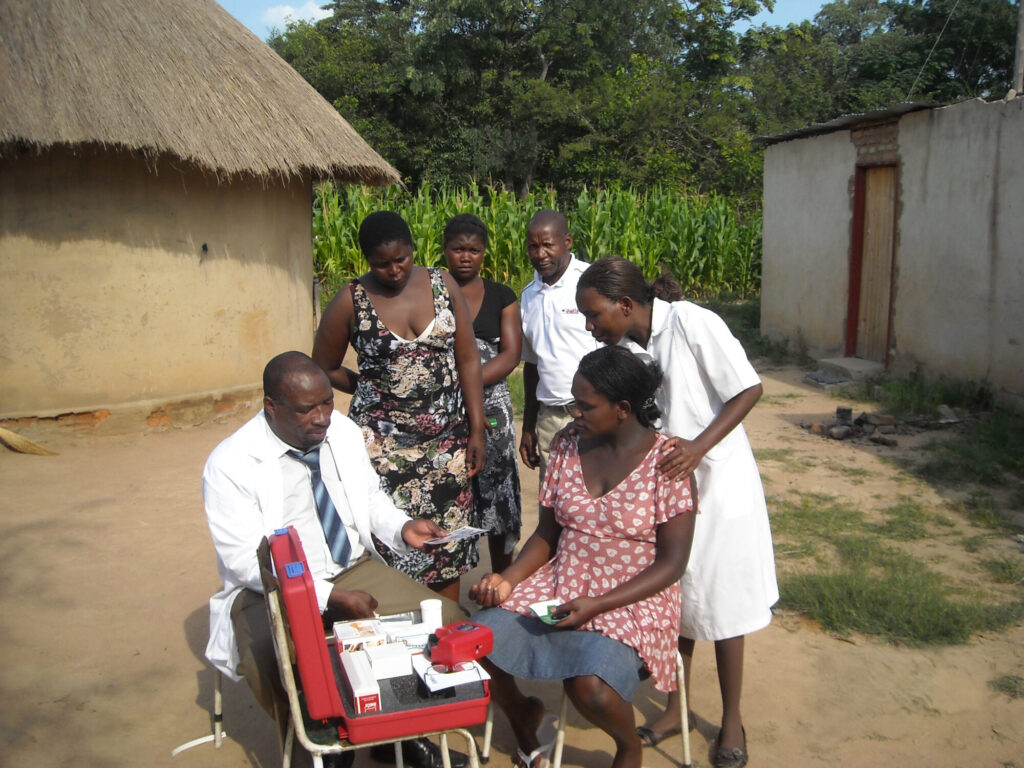
The experience in Ibadan also underscores an important challenge: symptoms alone cannot reliably tell us whether a woman is anemic or how severe her anemia may be. Accessible hemoglobin testing can help bridge that gap.

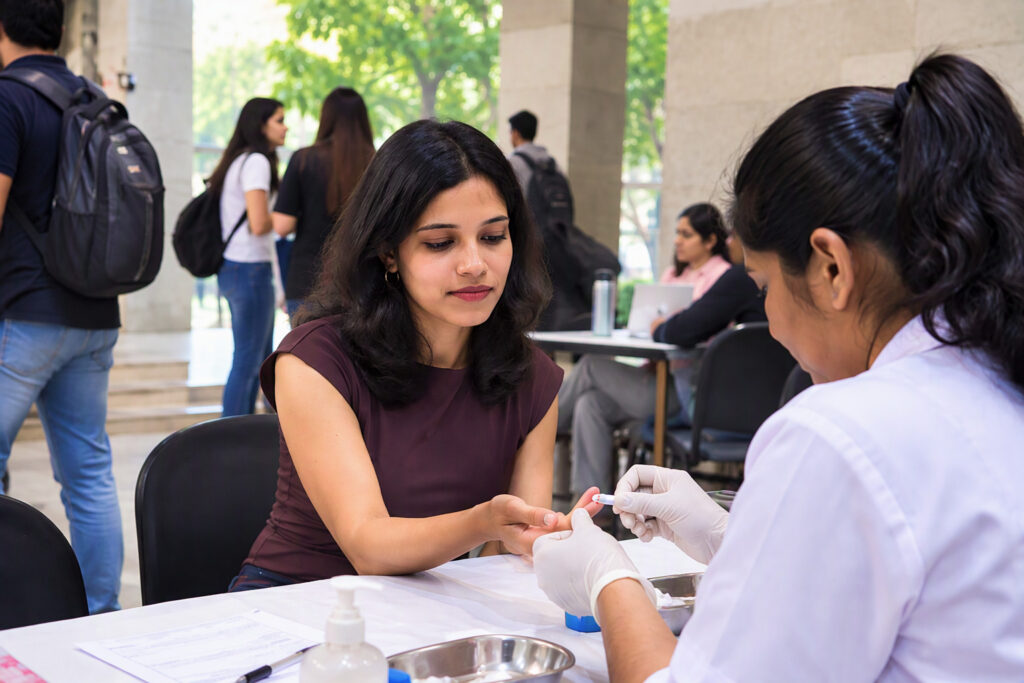
Point-of-care testing can provide rapid hemoglobin results close to the patient, helping healthcare professionals identify when further investigation or intervention may be needed.


“Without timely testing, opportunities for early treatment can be missed. Reliable hemoglobin measurement is also fundamental to research because it allows us to identify eligible participants, monitor their progress and determine whether an intervention is working.” 

Making hemoglobin testing routinely accessible to women of reproductive age could help shift anemia care from reacting to complications toward identifying risk earlier, before pregnancy or severe symptoms develop.


From research to action

Anemia should be central to maternal health strategies. Researchers must continue to examine the causes of anemia, including menstrual blood loss, and evaluate practical interventions that work in different settings. Healthcare professionals need the training and resources to identify anemia early, treat it appropriately, and recognize it as an important predictor of risk during childbirth. Policymakers must also invest in a life-course approach that combines prevention, accurate and accessible testing, treatment, education and research.

For Lena Wahlhed, Director of Alliance Development at HemoCue, who works closely with NGOs, government bodies and public health organizations to expand access to diagnostic testing, the wider significance lies in turning evidence into action.


“Addressing anemia earlier requires more than awareness. Women and healthcare professionals need access to reliable testing so that anemia can be identified and acted on before pregnancy and before complications arise. Working together across research, healthcare and public health, we have an opportunity to make earlier detection part of a more preventive approach to women’s health.” 


Preventing anemia before pregnancy is far easier than trying to save the life of a severely anemic woman who is bleeding after childbirth. Investing in prevention, detection and treatment is an investment in healthier women, safer pregnancies and a whole generation of healthier mothers and babies.


Want to learn more about the WOMAN-3 Trial and the research behind it? Read more about the trial.


References: 
  1. https://www.who.int/news-room/fact-sheets/detail/anaemia
  2. https://thebloodtrials.org/the-missing-evidence/
  3. https://data.unicef.org/topic/maternal-health/antenatal-care/
  4. https://pubmed.ncbi.nlm.nih.gov/37347070/


Related stories