Skip to content

Beyond blood sugar: The unseen impact of living with Type 1 diabetes  

Current as of 2026

At 2:17 in the morning, a glucose alarm wakes Daniel again. Half asleep, he reaches for his phone and immediately starts doing calculations. Is his blood sugar dropping? Does he need to eat something? Can he safely go back to sleep?  

For people living with Type 1 diabetes, moments like these are not unusual. They are part of a condition that demands constant attention, day and night. 

Type 1 diabetes is a lifelong autoimmune condition in which the body can no longer produce insulin. Today, an estimated 9.5 million people worldwide are living with the disease,1 and the number continues to rise.

When we talk about Type 1 diabetes, the focus is often on numbers such as blood glucose levels, insulin doses, and clinical targets. But behind these numbers lies a reality that is less visible, yet just as significant: the constant mental and emotional burden of living with the condition. 

Diabetes doesn’t take a break, and neither can the people living with it.  

For Daniel Hermansson, a man in his late thirties living with Type 1 diabetes, managing the condition is woven into everyday life. It is a continuous process that requires attention, informed decision-making, and constant preparedness. His story offers a glimpse of the less visible side of living with diabetes. 
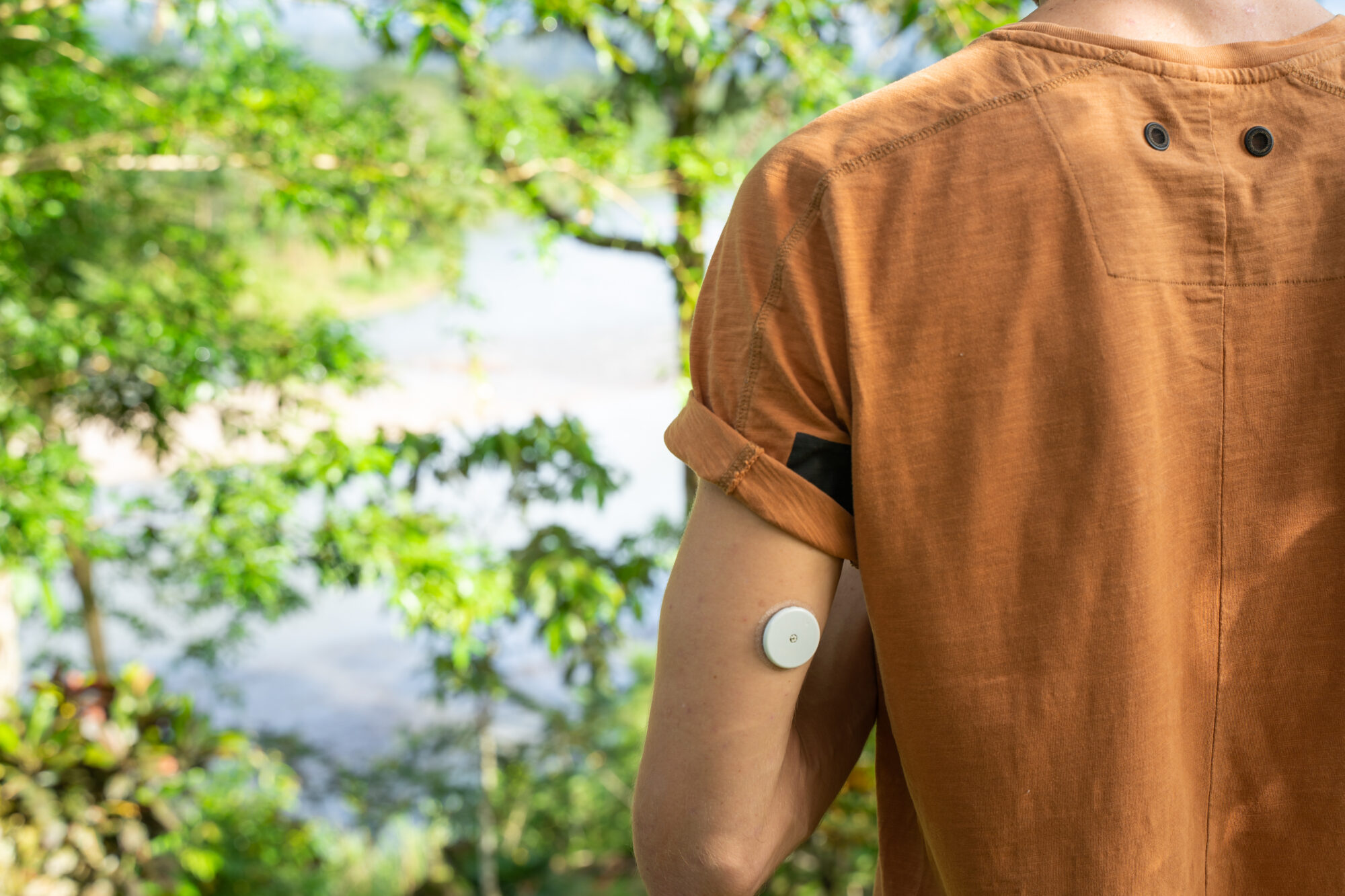
Daniel Hermansson

“It’s all about constant planning. I need to think about how active I’ll be during the day and what I’m going to eat. Over time, I’ve learned how a typical workday affects my blood sugar, so I often bring food that I know how my body will respond to. A well-planned day makes it easier for me to maintain stable blood glucose levels. 

I scan my sensor several times a day using an app on my phone to keep track of my glucose levels, and I take insulin with every meal. Diabetes is something that is always part of the planning process, even when everything is going well.”

Managing the demands of diabetes every day 

The daily decisions required to manage diabetes can create a persistent sense of responsibility. Most people make hundreds of decisions every day. For people living with Type 1 diabetes, many of those decisions can have immediate health consequences. Every meal, workout, workday, trip, or night of sleep involves planning and judgment calls to help keep glucose levels within range. 


While many of these routines become second nature over time, the need to constantly monitor and adapt can take a toll. For some people living with diabetes, this emotional load accumulates over time. According to various studies, 30% to 50% of people living with Type 1 diabetes experience diabetes-related distress,2 highlighting the significant psychological demands of managing the condition every day. 


These demands do not end when the day is over. The need to monitor glucose levels and remain alert to potential highs and lows can extend into the night, affecting both sleep and peace of mind. In fact, research shows that adults with Type 1 diabetes often report poorer sleep quality than people without diabetes, with glucose fluctuations, concerns about hypoglycemia, device alarms, and anxiety about blood sugar levels all contributing to disrupted sleep.3 


Daniel Hermansson

“There’s really a constant stress in the background. I can feel anxious when I go to bed because I never completely know what the night will be like. Many nights are interrupted by alarms warning of low blood sugar, which affects my sleep. 

It can also be stressful when my blood sugar goes too high or too low without me fully understanding why. Unplanned activities, spontaneous evenings with friends, or changes in routine can create uncertainty, as they make it harder to predict and manage blood glucose levels.”

The mental burden of always being prepared 

Because many of these considerations happen behind the scenes, the emotional impact of diabetes is not always visible in traditional measures of diabetes management, which often focus on clinical outcomes. Yet managing diabetes is about much more than controlling blood glucose levels. It is about supporting the person behind the numbers. 

Daniel Hermansson

“For me, the cognitive burden is often more challenging than the physical aspects of the disease. Diabetes is something you can never take a break from. The constant planning, decision-making, and responsibility are there every day, around the clock. 

At the same time, the potential consequences of not keeping my blood sugar within a healthy range are always at the back of my mind. It’s a constant balancing act that requires a great deal of energy, both mentally and emotionally, and much of that effort is invisible to those around you.” 

Technology as a source of confidence and control 

While the challenges of living with diabetes remain significant, advances in technology are helping many people gain greater confidence and peace of mind in managing their condition. Continuous glucose monitoring systems have given patients access to real-time insights, helping them make more informed decisions throughout the day. 

Daniel Hermansson

“My daily life changed significantly when I started using a continuous glucose monitor. Being able to see my glucose levels directly on my phone and track how they change over time provides a completely different sense of reassurance compared to having to prick my finger several times a day.

Advances in diabetes technology make a huge difference for people living with the condition. The better the tools I have to monitor and manage my glucose levels, the more control and peace of mind I feel in everyday life.”

Why early diagnosis matters 

Daniel also highlights the importance of early diagnosis. The sooner diabetes is identified; the sooner individuals can learn to manage their condition and establish routines that support long-term health. 

“I was diagnosed later in life, but regardless of when diabetes develops, it’s important to receive a diagnosis as early as possible. An early diagnosis provides a better opportunity to learn how to manage the condition and establish healthy routines from the beginning.” 

Early diagnosis can help people better understand their condition and access the support and tools needed to manage diabetes effectively. It can also reduce uncertainty and empower individuals to make informed decisions about their health from an early stage. 

Daniel Hermansson

“I think it’s important for people to understand that diabetes is about so much more than simply managing blood sugar levels. It is a condition that affects every aspect of daily life and comes with a constant mental burden.

That’s why it is so important to build greater awareness and understanding of diabetes early on. We also need more support for the invisible stress, anxiety, and burnout that often accompany the condition. No one should have to carry that burden alone.”

Supporting better outcomes 

Ultimately, improving outcomes in diabetes requires recognizing both the physical and emotional realities of living with the disease. Clinical targets remain important, but so does understanding the daily effort required to achieve them. 

The future of diabetes care is not only about helping people manage glucose levels. It is also about recognizing the efforts that millions of people make every day simply to stay healthy. 

Reducing uncertainty is key to easing that burden. When patients and healthcare professionals have access to reliable, timely information, it becomes easier to make confident decisions and navigate the complexities of living with diabetes. 
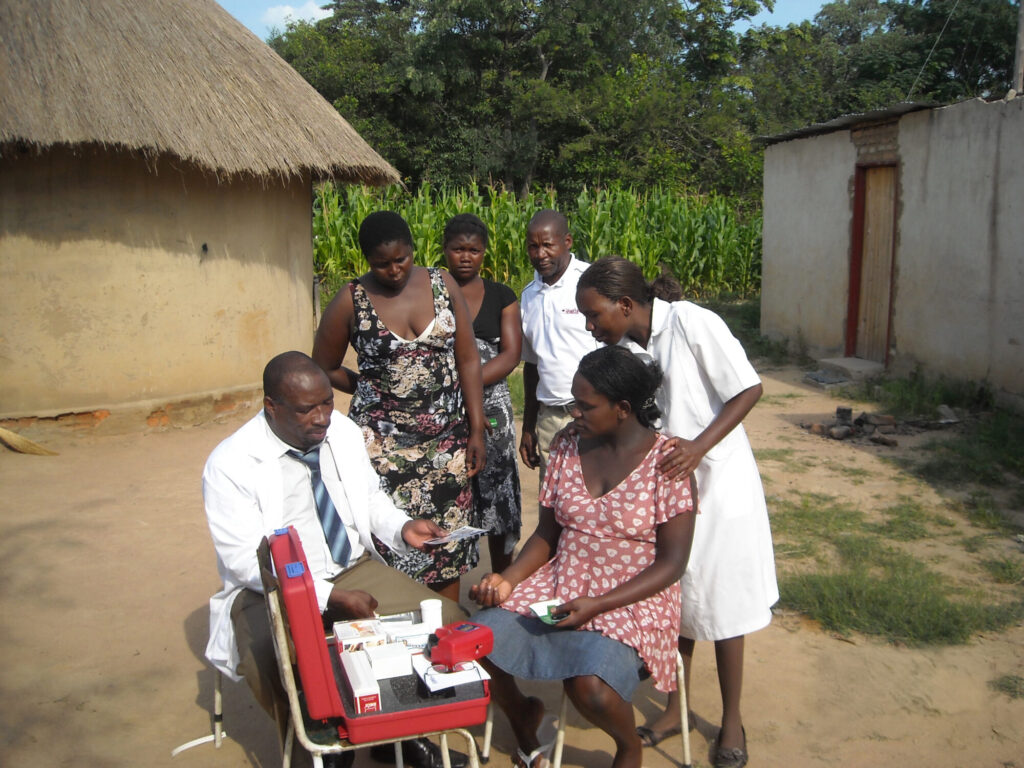
At HemoCue, we believe that accurate and accessible diagnostic solutions play an important role in diabetes management, helping to bring clarity in moments of uncertainty and supporting more informed care. Because improving outcomes is not only about managing blood glucose levels. It is also about reducing the invisible burden that comes with living with diabetes every day.


References: 
  1. Ogle GD et al. Global type 1 diabetes prevalence, incidence, and mortality estimates 2025: Results from the International diabetes Federation Atlas, 11th Edition, and the T1D Index Version 3.0. Diabetes Res Clin Pract. 2025 Jul;225:112277. 
  2. Rodríguez-Muñoz A, Picón-César MJ, Tinahones FJ, Martínez-Montoro JI. Type 1 diabetes-related distress: Current implications in care. Eur J Intern Med. 2024 Jul;125:19-27. 
  3. Sarah S. Farabi. Type 1 Diabetes and Sleep. Diabetes Spectr 1 February 2016; 29 (1): 10–13. 


Related stories