For years, global maternal health efforts have focused heavily on preventing postpartum hemorrhage. How has the WOMAN-2 study changed our understanding of the relationship between anemia and maternal mortality?
What struck me most about the WOMAN-2 study wasn’t only the seriousness of postpartum hemorrhage, but the evidence pointing to anemia as an underlying driver.
To me, that’s devastating on so many levels because anemia is something that can often be detected early and, in many cases, [acted upon] before it leads to such severe consequences.
As we know, anemia can be caused by malnutrition, malaria, infections, vitamin deficiencies — all conditions that disproportionately affect women and girls [in addition to heavy menstrual bleeding].
When anemia goes undetected or untreated, it’s a huge disservice to these women. Postpartum hemorrhage can be fatal, but the impact extends far beyond the mother. The children may grow up without [one of] the most important [people] in their lives, which is their mother.
If severe anemia is a major underlying driver of maternal deaths, what does that mean for how governments and health systems prioritize investments in women’s health?
I would actually broaden the conversation beyond maternal deaths and maternal health to women’s health more generally because it starts long before pregnancy. It begins with adolescent girls and continues through pregnancy, childbirth, and later in life.
As I was preparing for this interview, I was reminded of a study conducted years ago by a Swedish medical student in Cameroon. She described a woman who experienced postpartum hemorrhage and was discharged with a hemoglobin level of just 6.4 [grams per deciliter], which is extremely low. She had received only one unit of blood because her brother-in-law could only afford to pay for one transfusion.
To think that she entered pregnancy anemic, went through labor, experienced postpartum hemorrhage, and then left the health facility with such a dangerously low hemoglobin level is devastating — especially because there was an opportunity to treat her, but cost prevented it.
Many women most at risk of anemia never reach a hospital until childbirth. What does an effective screening strategy look like, and where should testing be happening?
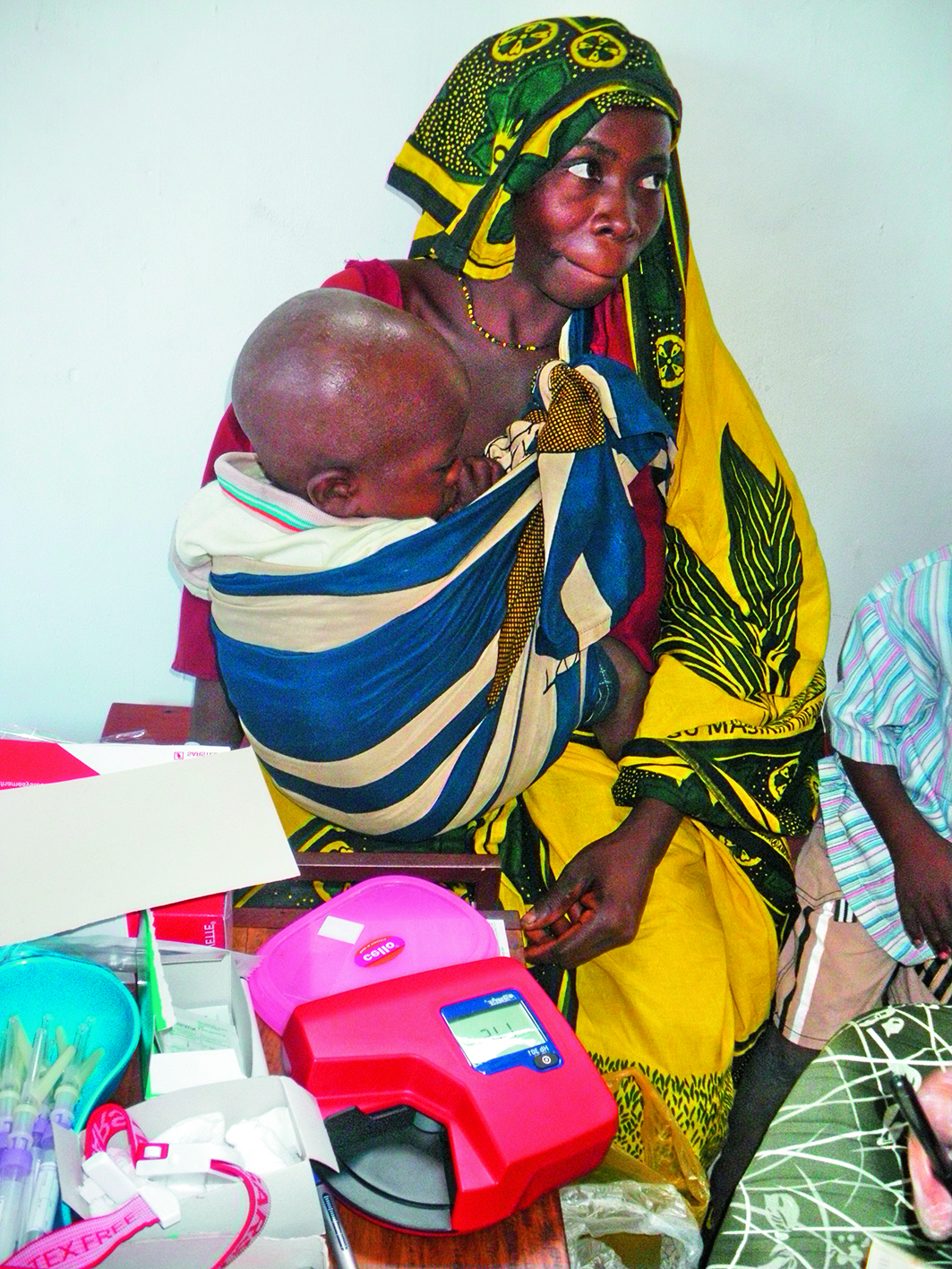
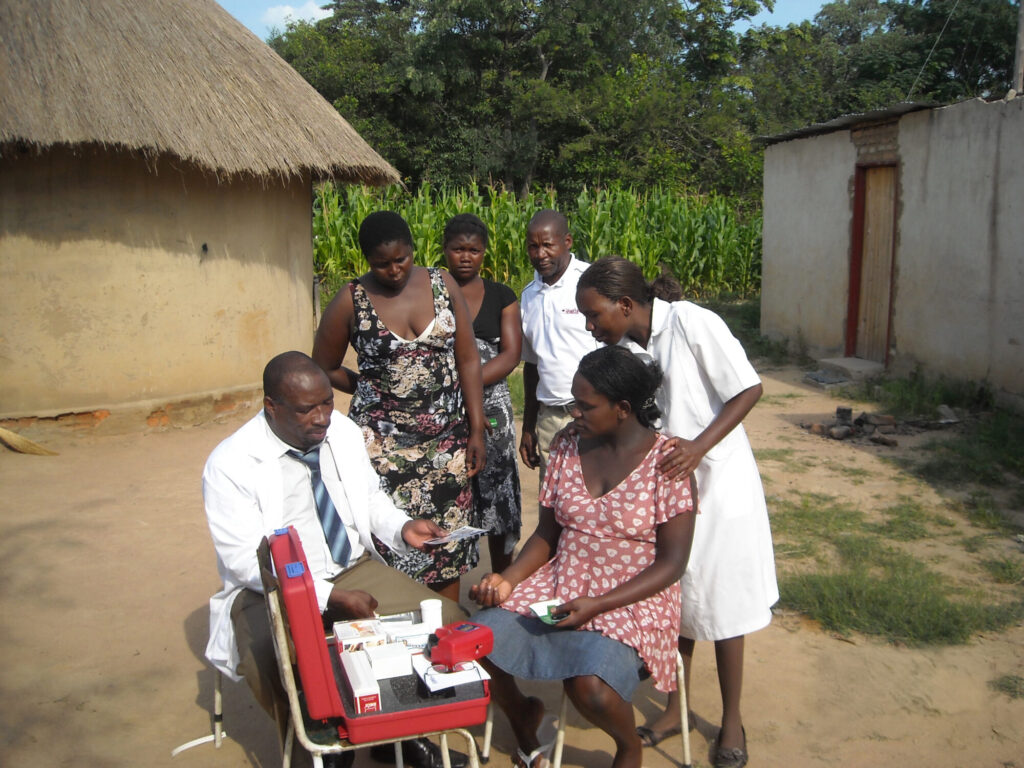
I think testing and screening should happen where these women are — where the population is. If it’s rural communities, then it can be done through mobile healthcare units. If it’s in the community, the community health workers are a very valuable source of healthcare. They know the community, they are trusted and can do targeted screening. I think it is important to screen girls and pregnant women, and then they would know who these women are [and the best way to reach them].
I very much believe in proactive outreach, especially where risks may not be known. When it comes to more urban populations, I would say the same: Health posts, primary care facilities, and maternity clinics are all important places to reach women where they are. Rather than waiting for women to arrive at a hospital during childbirth, we need to reach them earlier [so anemia and other health challenges can be detected and addressed before they lead to serious complications].
Why are populations such as adolescent girls, malnourished women, and incarcerated women often missed, and what would it take to build screening programs around their realities?
I think we should talk much more about breaking the intergenerational cycle of anemia. It starts with the adolescent girl because, if she enters pregnancy with anemia, there is a high likelihood that her child will also be anemic, and then that cycle continues from one generation to the next.
If the mother is anemic during pregnancy, that can also be reflected in the child. And if that anemia is not corrected during the first 1,000 days of the baby’s life, it can have severe implications for the rest of their life. Those first 1,000 days are when you can really make a difference — when learning, creativity, and brain development are taking place.
That’s why it’s so important that we start earlier. Early intervention is essential if we want to minimize the long-term consequences of anemia. We also know that conditions such as malaria disproportionately affect women and children, causing hemoglobin levels to fall. Without treatment or adequate nutrition, those levels may never fully recover, increasing the risks during pregnancy, [early] childhood, and [later in] life.
Access to diagnostics often depends on factors that patients never see, including procurement and supply chains. How do corporate decisions around product design, sustainability, and supply chains ultimately affect whether women in underserved communities can access essential diagnostics?
As we are a commercial company, we need to ensure that our supply chains are optimal [both internally and externally]. I think that is a high responsibility — if we cannot meet those requirements, there may ultimately be fewer diagnostics available.
We joined the UN Global Compact in 2015 and strongly believe in its core principles of transparency, compliance, and human rights. We also think about sustainability in terms of how it benefits our customers, our partners, end users, and the environment.
Beyond supply chains, I believe it’s also our responsibility to be a voice for underserved communities, especially women. The diagnostics we’ve been talking about — such as testing for anemia, [but also for] gestational diabetes and preeclampsia — are included in the [World Health Organization] essential diagnostics list. That shows how important they are for everyone, and especially for women.
As countries work to reduce preventable maternal deaths, what is the one shift in thinking or practice you believe could have the greatest impact over the next decade?
I think it’s preventive action, because prevention beats treatment. Prevent what you can prevent, treat what you can treat, and cure what you can cure. Once a woman experiences postpartum hemorrhage, it may already be too late to reverse her anemia. That’s why [proactive] anemia screening is so important.
It’s also important to remember that we’re not talking about numbers. Every mother counts, and every child’s life matters. I remember the minister of health in Sierra Leone saying that he tries to follow every pregnant woman and understand what happened whenever there are complications, because it’s only by knowing that you can make a difference.
Preventing anemia doesn’t just reduce the risk of maternal death. It also gives children a better chance to thrive, learn, go to school, and eventually contribute to society. It’s a win for women, a win for children, and a win for society.
Read the full Devex article here:
https://www.devex.com/news/sponsored/rethinking-maternal-health-why-anemia-deserves-greater-attention-112860