Skip to content

Uncovering adult anemia and its hidden impact 

Current as of 2026

Anemia is a serious global public health problem affecting over two billion people of all age groups. Defined by a lack of sufficient healthy red blood cells or hemoglobin, it reduces the body’s ability to carry oxygen, quietly affecting a person’s overall well-being. 

In adults, anemia often goes unnoticed. Its symptoms, such as fatigue, can easily be mistaken for the pressures of everyday life. 

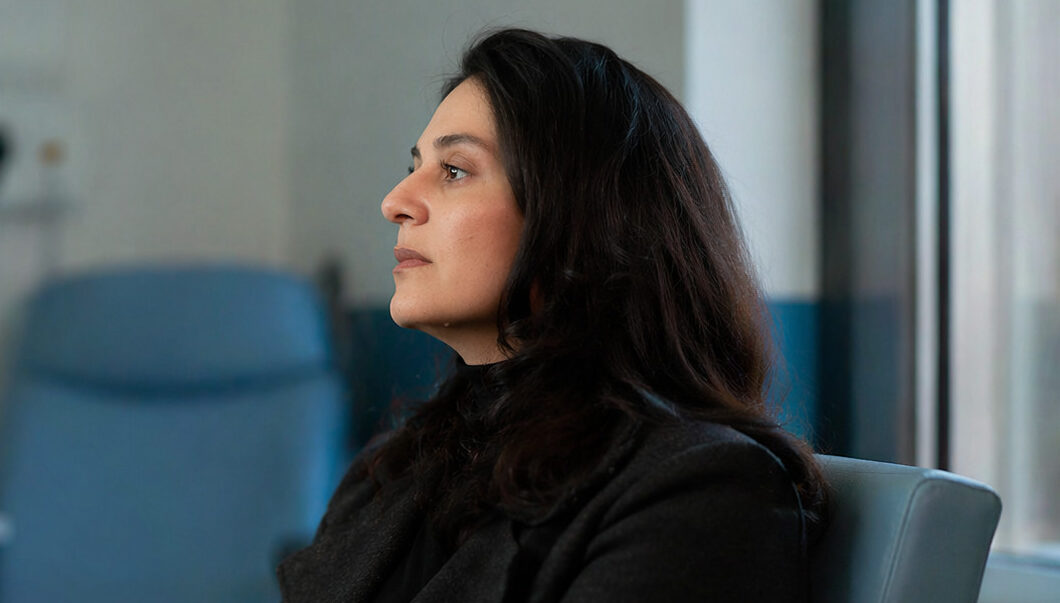
For years, Hiba Tarsha, Regional Manager Sales in the Middle East at HemoCue, thought her exhaustion was simply the cost of a busy life. Studying, caring for a young child, managing her home and going to work left her with almost no energy – until a simple blood test revealed the real cause: 

Severe anemia.
 

The fatigue that wasn’t just stress 

What had long been dismissed as exhaustion was, in fact, a serious condition affecting her energy and overall quality of life. 


But Hiba’s experience is not unique. It reflects a broader, often invisible challenge.


It began when Hiba was 23 years old. She remembers a constant, overwhelming exhaustion. One that slowly drained her energy to the point where even the simplest tasks felt difficult. Going to work, meeting friends, or engaging in daily life required an effort she no longer had. 


For many adults, anemia can go unnoticed, as many of the symptoms are non-specific and may only become more apparent as the condition progresses. This is often because, like in Hibas case, these symptoms are mistaken for the demands of everyday life rather than an underlying health condition.

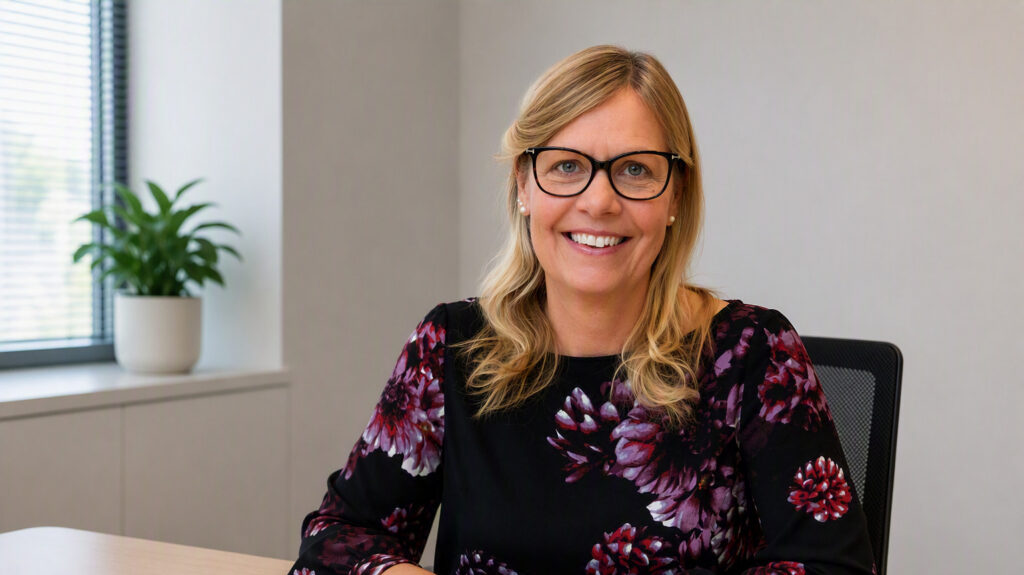
Hiba Tarsha
Regional Manager, Sales
HemoCue

“At the time, I was studying at university, I had a small child, and of course my home duties, so I thought I was just under heavy stress. The symptoms I experienced were extreme fatigue; I would gasp for breath whenever I had to take the stairs. I also had hair loss, yellowish skin, severe headaches, and I felt depressed and constantly sleepy. But I never imagined that anemia could cause all of this.”

For Hiba, the discovery of her anemia came by coincidence.

At the time, blood donation was a requirement for certain administrative processes, such as renewing a driving license. During a routine visit to the blood bank, her hematocrit levels were measured as part of the standard procedure.

The results raised immediate concern.

“I still remember when the doctor came to me and said: ‘How are you standing on your feet? You should go to a doctor and get checked immediately.’”

The doctor rejected Hiba’s blood donation and sent her to the lab for further investigation.

Subsequent laboratory results revealed that her hemoglobin level was below 7, indicating severe anemia.

 

Understanding the cause that changed everything 

Receiving the diagnosis brought a sense of relief for Hiba, finally understanding that her symptoms had a clear, treatable cause. Until then, her condition had severely impacted her quality of life, leaving her with little energy to care for her children, manage her home, or even go to work. 

Her treatment journey was straightforward and uncomplicated. A series of iron infusions followed by daily supplements quickly restored her iron levels, demonstrating how timely intervention can deliver rapid and meaningful results. 

“Within just a few weeks, I was 100% back to my normal energy level, my hair stopped falling off, and I got my skin color back. I was able to fully regain my strength, and it was incredible to see how timely treatment led to life-changing results for me.” 

Why early screening matters 

Looking back, Hiba wishes her anemia had been identified earlier. At the time, the symptoms felt easy to dismiss, just part of a busy life or everyday fatigue.  

Today, she reflects on how important it is not to normalize these signals. Listening to the body, she emphasizes, is essential where persistent tiredness should not be accepted at any age. 

Her experience highlights a broader truth about adult anemia: awareness and timing matters. When detected early, the condition can be far less complicated. 

“Everything detected at an early stage is less complicated, easier to treat, and more likely to be successfully managed. It is very important to screen and create awareness so people know when they should get tested and check their health.” 

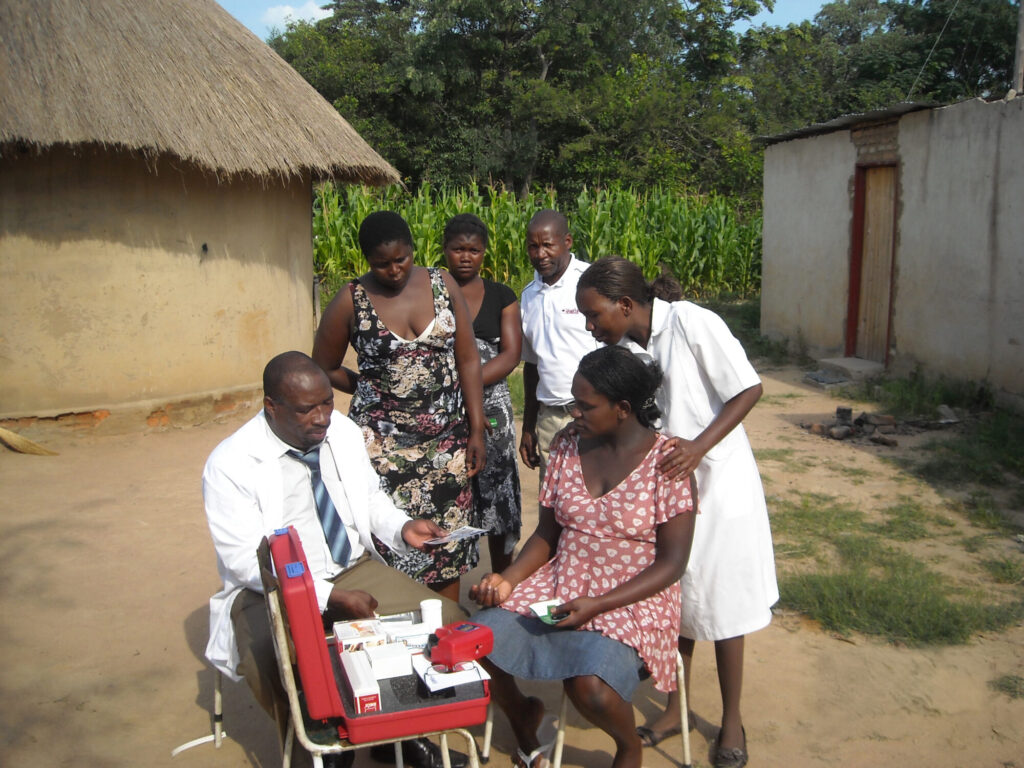
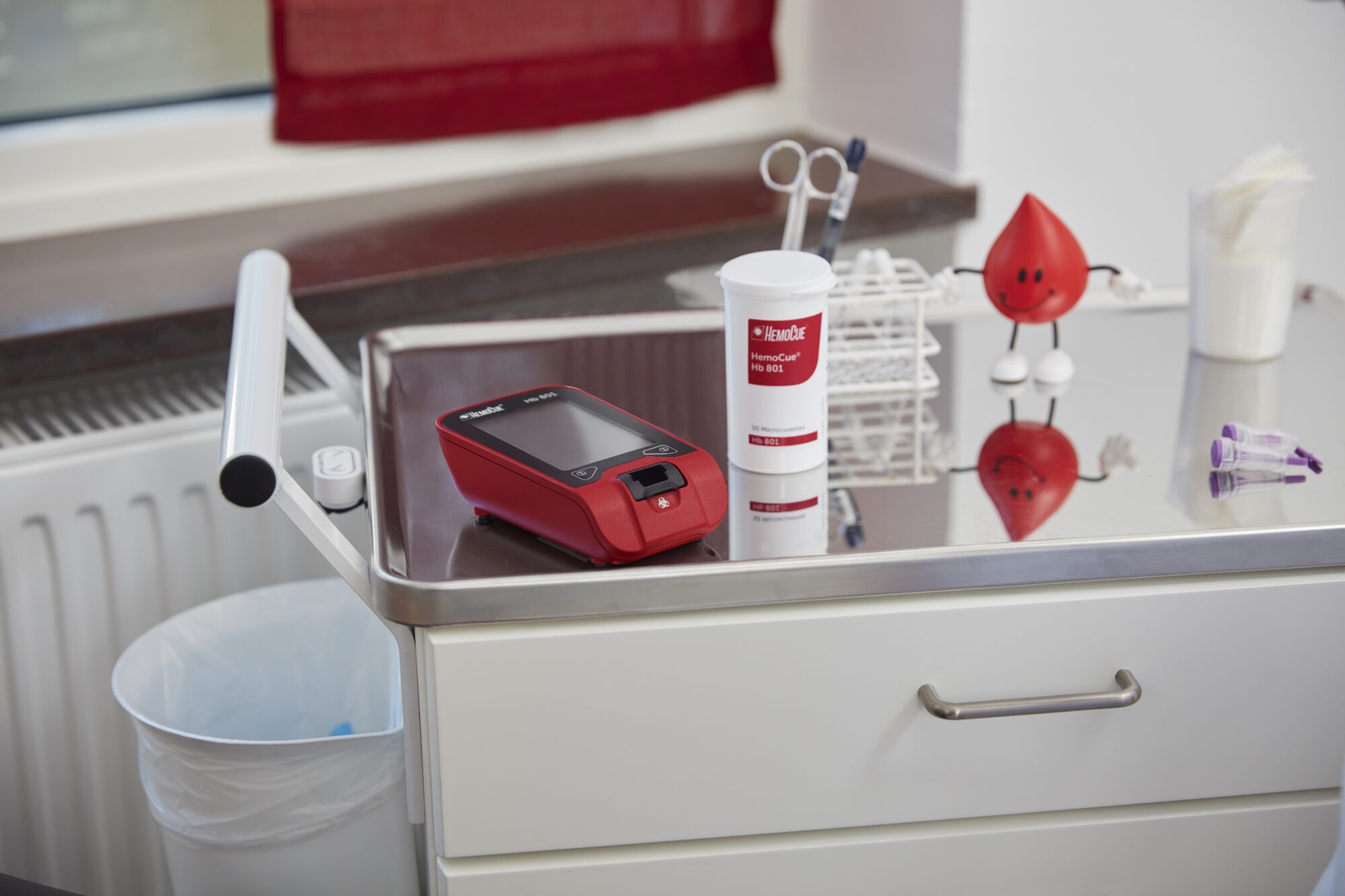
At HemoCue, we are committed to making anemia easier to detect. Early screening enables timely intervention before complications worsen, while accessible diagnostics help bridge gaps in care – ensuring that no one is left behind. 

By providing access to accurate screening tools, healthcare professionals worldwide can more easily detect patients at risk. Accurate hemoglobin testing, together with clinical judgment, provides a strong foundation for effective treatment decisions.  

So that more people like Hiba no longer have to struggle in silence but can rediscover their health and quality of life. 


Related stories