From waiting to acting: What CLIA-waived point-of-care testing means for diabetes care in the U.S.
Manuel Gonzalez
Global Product Manager, Diabetes
Current as of 2026
At HemoCue, we strongly believe that advancing diabetes care comes down to one simple shift: from waiting to acting.
Diabetes is one of the most prevalent chronic conditions in the United States. According to the CDC, an estimated 40 million people1 are living with diagnosed or undiagnosed diabetes, and that number keeps growing. Behind every one of those numbers is a person whose symptoms are affecting their quality of life, and that is why timely, accurate insight matters so much in diabetes care.
Central labs will always matter. But timing changes everything.
I have a lot of respect for what central laboratories do; they will always play a vital role in healthcare. But in diabetes care, where every moment matters, the wait between testing and decision-making can have a significant impact on patients’ outcomes. It can slow down care, create uncertainty for patients, and lead to additional follow-ups that affect everyone involved.
To me, every hour between testing and action is a missed opportunity to intervene and support a better outcome.
That is why I believe CLIA-waived point-of-care glucose testing is changing the equation, and why I keep coming back to three things I have seen it do:
1. Reliable results, wherever care happens
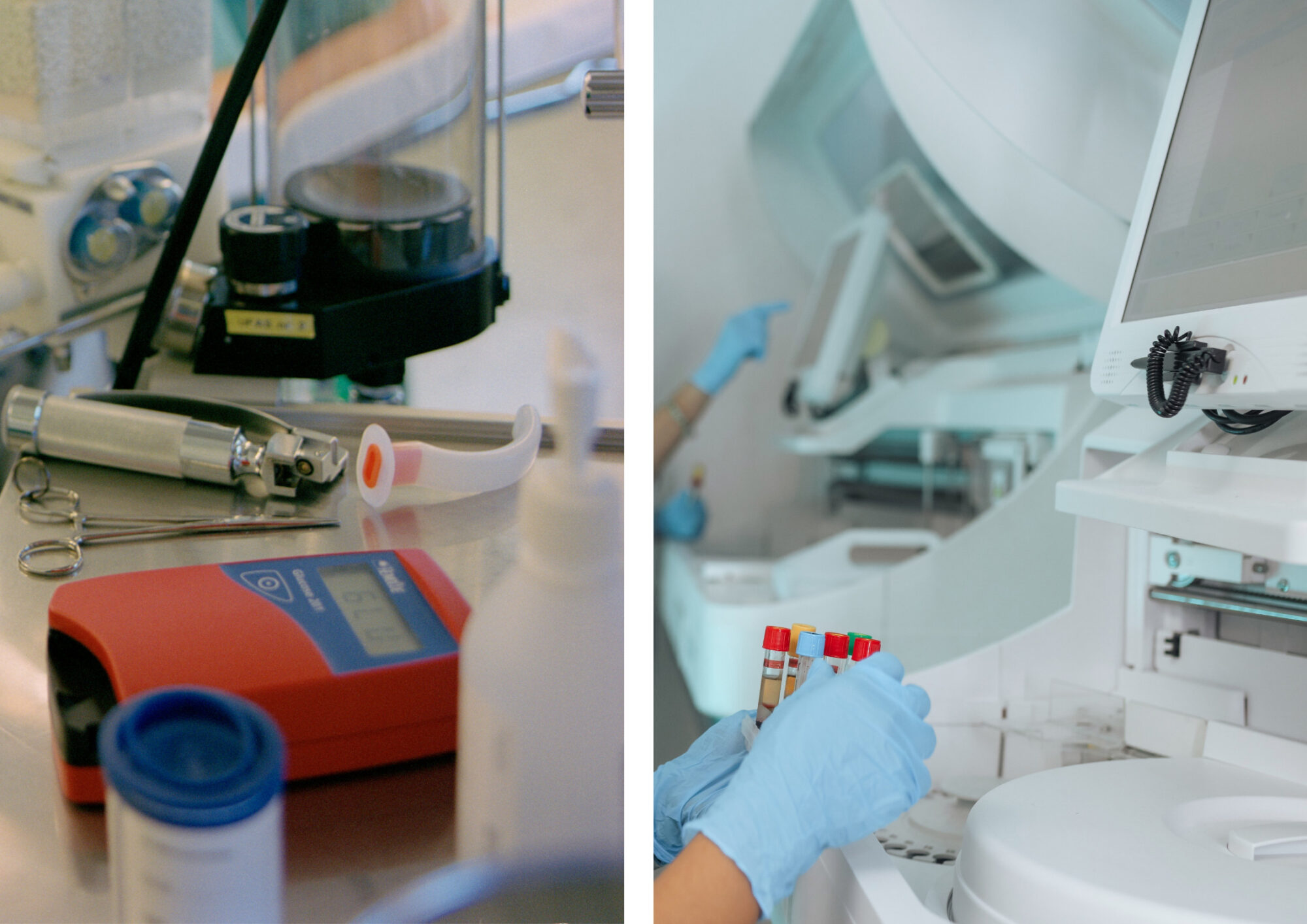
What strikes me most about CLIA-waived point-of-care testing is how it puts lab-quality glucose results directly into the hands of clinicians, in the setting where care is actually happening. With the HemoCue ® Glucose 201 System, providers no longer have to wait for the lab, they get trusted readings within minutes. That immediacy is what lets a clinician move from uncertainty to clarity faster.
2. Decisions made in the room, not after the patient has left
In diabetes care, timing is essential. When diagnostic insight is available during the same visit, it changes the conversation. Patients do not have to leave without answers; they can sit with their provider and talk through results in the moment. I have come to see that as one of the most meaningful contributions point-of-care testing makes: earlier diagnosis, and treatment plans built on a real conversation rather than a delayed phone call.
3. Improving workflow, not just the visit
What I find easy to overlook, but increasingly cannot ignore, is the operational side. Reducing reliance on central labs for routine glucose testing eases workflow bottlenecks and frees up time that can go back into patient care. With quantitative results in about a minute, clinicians can move forward without delay. And decentralizing testing does something else I care about: it brings reliable diagnostics closer to patients, beyond the walls of a traditional lab.
Why this matters to me
HemoCue delivers more than 140 million tests every year, across multiple disease areas, including diabetes. I am proud to be part of a team that gets to turn that scale into something concrete: immediate, lab-quality glucose results at the point of care, in the hands of the people making decisions that affect someone’s day, and sometimes their life.
For me, that is what it means to move from waiting to acting, advancing care, test by test, everywhere.