Diabetes in pregnancy is a significant public health issue with serious consequences for maternal and fetal health, as well as substantial healthcare costs related to complications such as preterm labor and neonatal intensive care. The prevalence of gestational diabetes mellitus (GDM) is estimated to affect between 2% and 10% of pregnancies worldwide.
This review compares clinical guidelines on diabetes management in pregnancy, including preconception care, screening, and therapeutic interventions, and emphasizes the importance of early intervention.
The guidelines provide evidence-based recommendations to optimize maternal and fetal outcomes, highlighting early diagnosis, tight glycemic control, and continued follow-up during pregnancy and into the postpartum period, as 30–50% of women with GDM develop type 2 diabetes within 10 years.
The review highlights the importance of tight glycemic control before and during pregnancy. In women with pre‑existing diabetes, maintaining HbA1c levels below 6.5% prior to conception can reduce the risk of congenital anomalies by up to 70%.
In addition, evidence indicates that insulin pump therapy is associated with improved HbA1c levels, a 35% reduction in severe hypoglycemic events, and lower rates of neonatal hypoglycemia compared with insulin injections. After delivery, postpartum screening with a 75‑g oral glucose tolerance test is considered essential to identify persistent diabetes following childbirth.
If healthcare providers follow the recommendations outlined in this review, complications associated with both gestational and pre-existing diabetes could be considerably reduced. In addition, addressing health disparities is essential so that all women, regardless of background or access to care, can receive the best possible care.
Key Takeaways:
GDM affects an estimated 2–10% of pregnancies globally, with a higher burden in low- and middle-income countries due to limited access to screening and follow-up care. Both GDM and pre-existing diabetes increase the risk of maternal and fetal complications, making adherence to evidence-based clinical guidelines essential for early diagnosis, effective management, and ongoing monitoring. Strengthening diabetes care during pregnancy can significantly improve maternal and child health outcomes.
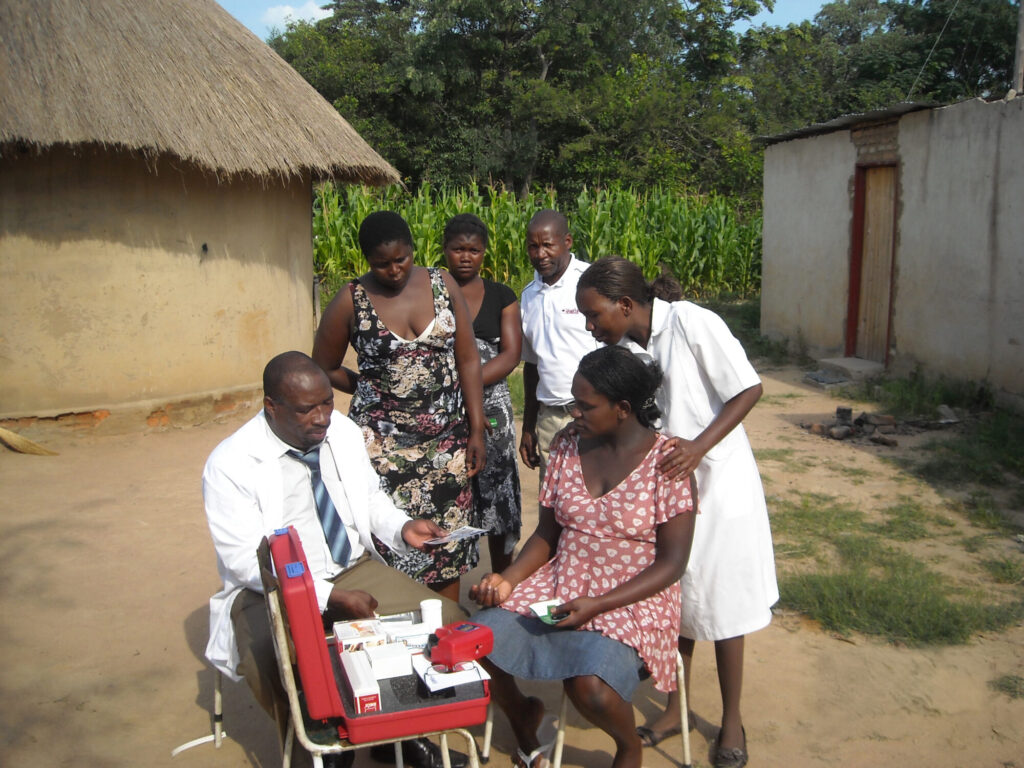
This review underscores the value of early, accessible screening and reliable point-of-care solutions, such as HemoCue glucose systems, that support guideline-driven care throughout pregnancy and the postpartum period, particularly in low-resource settings where improved access to quality diagnostics can help reduce gaps in healthcare.
Read the full publication here:
Management of Diabetes in Pregnancy: A Review of Clinical Guidelines and Practices
References:
Albairmani RA, Basheer BM, Macky MM, Al Syouti T, AlZubaidy H, Elfaki E, Kidwai A, Basheer YM, Ahmed F, Salaheldin M.
Cureus. 2025 Feb 19;17(2):e79334.