Noncommunicable diseases, remain some of the world’s most pressing — yet frequently preventable — health challenges. Their growing burden took center stage at the fourth high-level meeting on NCDs and mental health, or HLM4, in September. World leaders, health experts, civil society, and the private sector came together to review progress toward global NCD targets and the persistent gaps in prevention, policy, and care.
The HLM4 political declaration — which had the support of a majority of countries and is expected to be passed by the United Nations General Assembly in the coming weeks — seeks to close some of these gaps by outlining a series of targets for Member States.
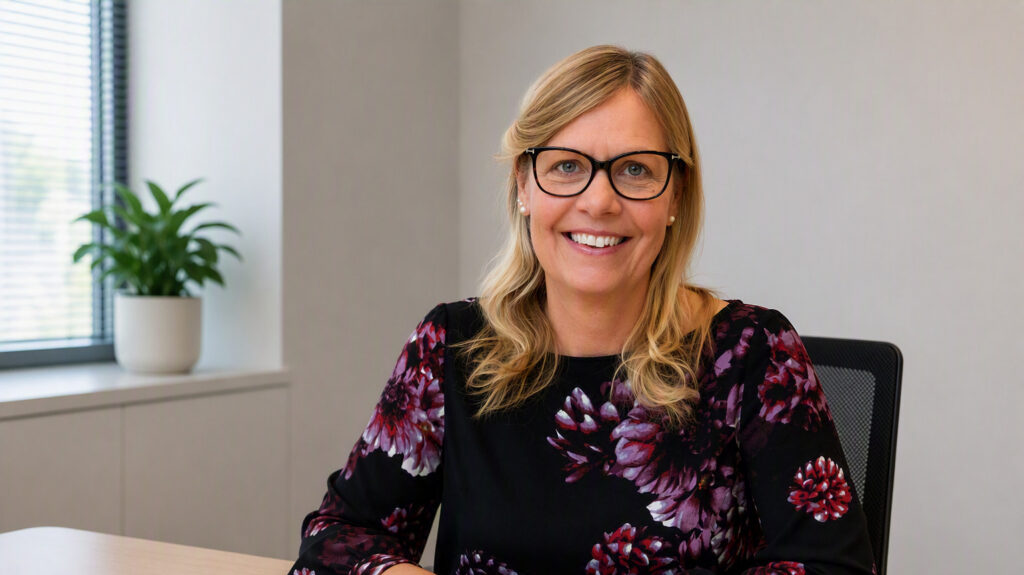
“The target for at least 80% of countries to have implemented NCD policies is ambitious,” Lena Wahlhed, director for alliance development at HemoCue, told Devex. “While progress has been made, there’s still a great deal to do — particularly in strengthening primary health care as the foundation for universal health coverage.”
Discussions at HLM4 centered on the need for integrated, people-centered care which would reach those who most need it.
“The reality is that NCDs do not adhere to country borders — they affect the global community, often with dire consequences,” Wahlhed said, emphasizing that sustainable partnerships and locally driven innovation will be key to achieving universal access to care. “Health is a human right, and ensuring everyone is cared for is our shared responsibility.”
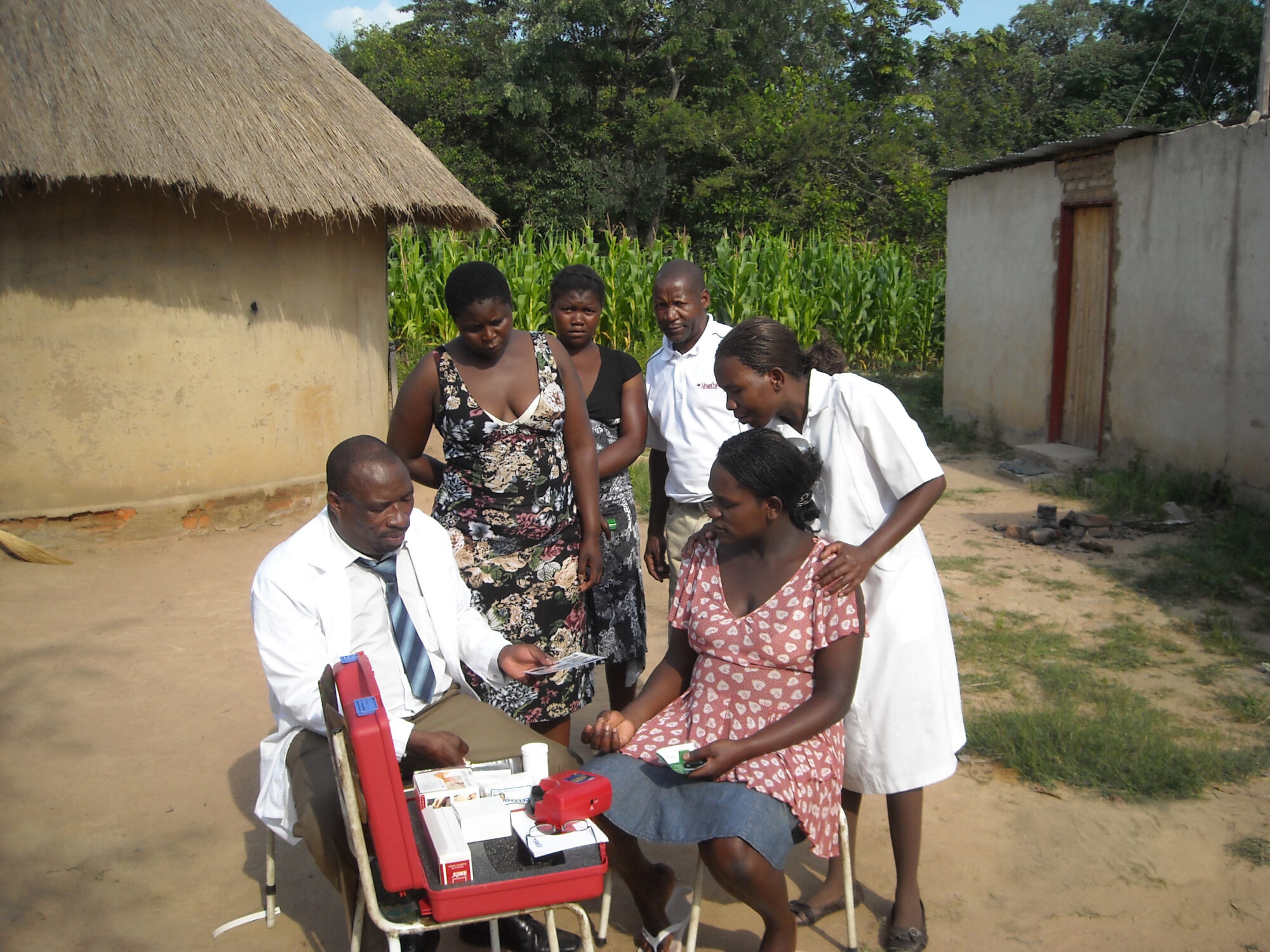
Speaking to Devex, Wahlhed explained that a patient-centered approach starts with timely and accurate diagnosis — ensuring people receive the right care at the right time. Strengthening access to essential diagnostic tools at the primary health care, or PHC, level, she said, can improve outcomes while reducing the long-term burden of noncommunicable diseases.
What does a patient-centered approach to NCD care, grounded in timely and accurate diagnosis, look like in practice?
It means truly putting the patient at the center — listening to the person in front of [you], assessing their situation, and creating space to act. In practice, having access to essential diagnostics alongside a physical examination can help guide immediate next steps to prevent deterioration, enable treatment, or even achieve a cure.
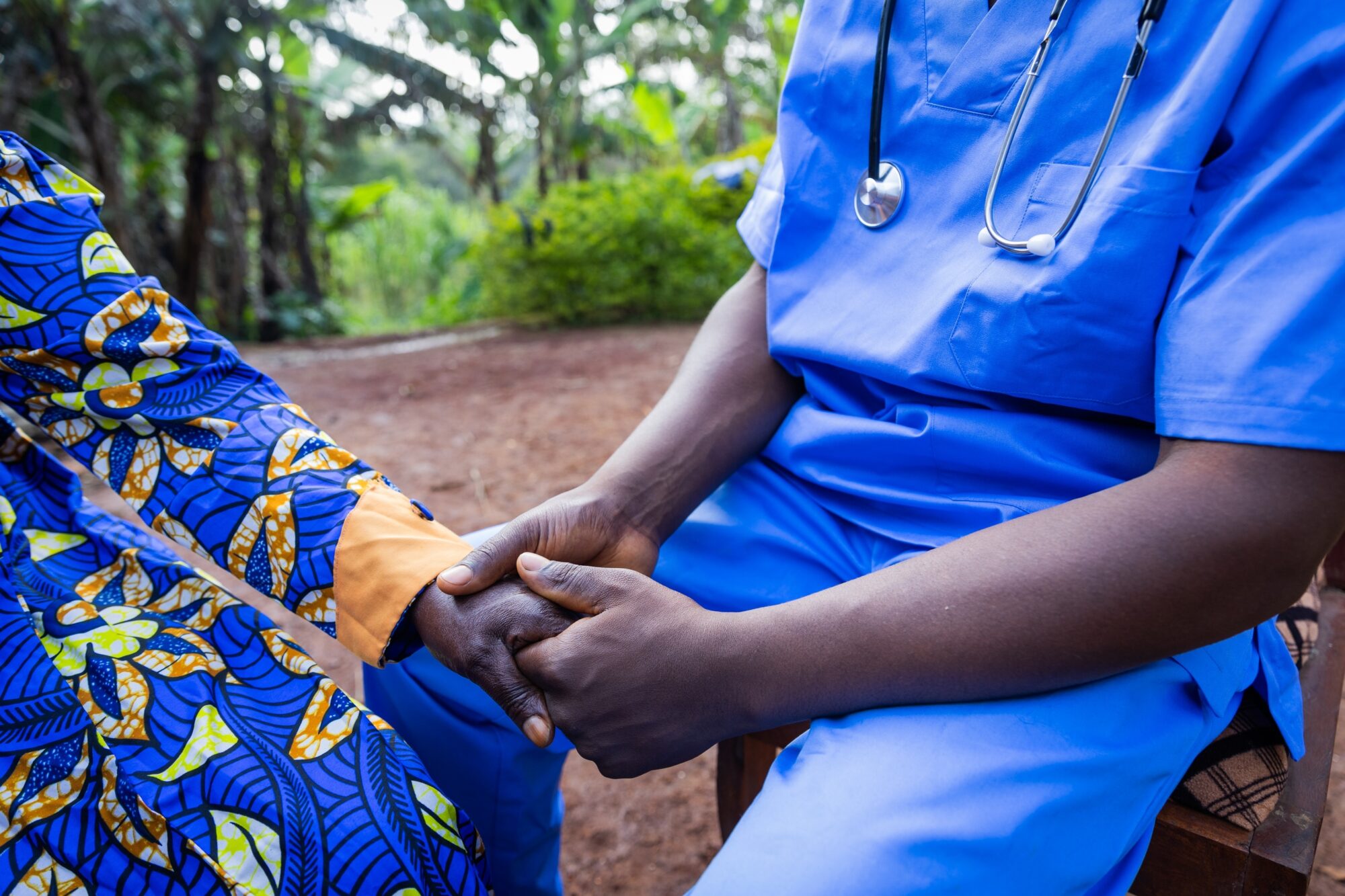
It also means fostering respectful dialogue and ensuring patients are part of the decision-making process. Likewise, when it comes to chronic conditions, understanding the broader context of a person’s life allows for more holistic support.
HLM4 highlighted the need to connect infectious disease and NCD programs better. How can primary care serve as a practical entry point that bridges these two areas of care?
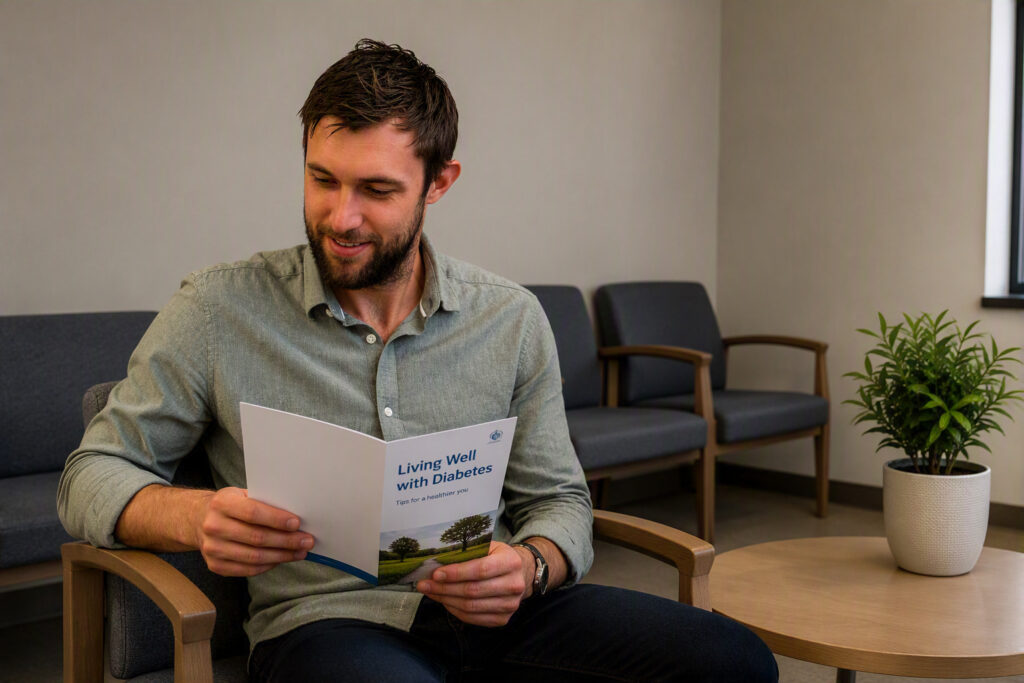
As we’ve discussed in previous dialogues, these connections [between infectious diseases and NCDs] are clear. TB and diabetes are linked; HIV/AIDS is connected to diabetes and secondary infections; and the risk of cervical cancer is higher among women living with HIV.
Having a single point of contact for care could make a real difference. And if that point of care is in a more neutral space, such as a primary health center, it could also help reduce stigma. This is of significant importance also for patients with mental health problems, who may find additional NCDs following their diagnosis and related treatment.
We often hear about innovation in treatment or financing, but not as much about innovation in diagnostics. What advances do you see as most promising for strengthening PHC in low-resource settings?
I always say that the best innovation is the one that lasts — the kind that continues to provide value in a way that’s cost- and time-efficient, and sustainable within the geography where it’s meant to be used, by the people it’s meant to serve, and for its intended purpose. In that sense, innovation should be tailored to what is truly needed, not just what can be done.
I believe that implementing the World Health Organization’s essential diagnostics list at the local level is a very good place to start. It offers clear, evidence-based guidance on which diagnostics are needed at the first line of care, and those tools can make a real difference for patients in many settings.
Beyond access to diagnostics, we also need systems for patient record-keeping and long-term data tracking. That’s especially important for NCDs, which are chronic conditions. Having a system in place allows us to monitor patients’ progress over time.
The original publisher for this article is Devex.
Continue reading the full article on Devex website:
https://www.devex.com/news/sponsored/building-stronger-primary-care-to-tackle-ncds-and-mental-health-111193