Skip to content
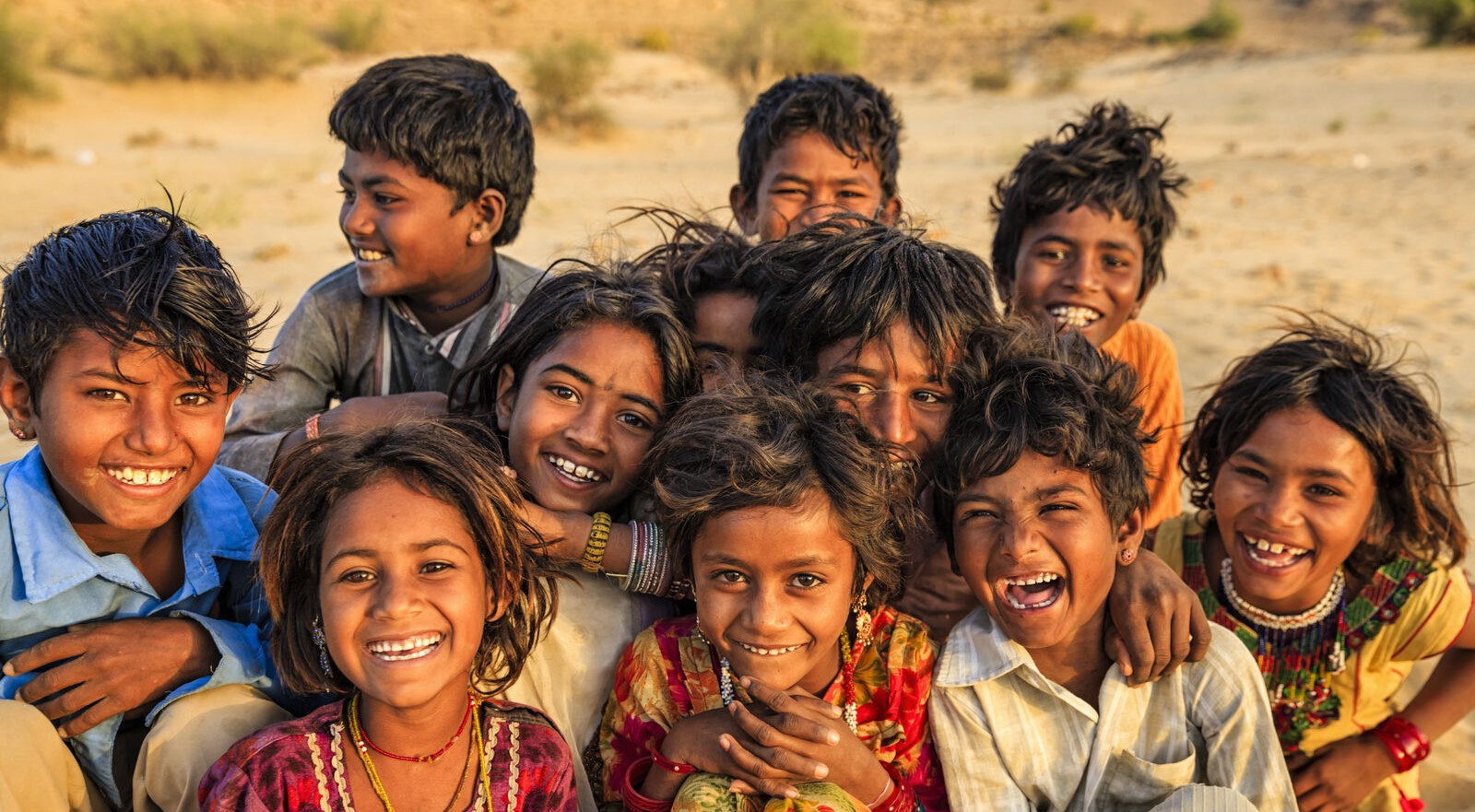
Smiling children in rural India

Public Health

We enable
Public Health

Every day, public health professionals work to protect the health of people, communities and societies. They impact the lives of entire populations, from small neighborhoods to countries, preventing diseases from spreading and promoting healthcare equity, quality and accessibility.

Screening programs are often part of public health systems as they help identify populations with an increased risk of disease, potentially improving public health outcomes. By providing access to accurate screening tools, we can protect the children shaping our future.

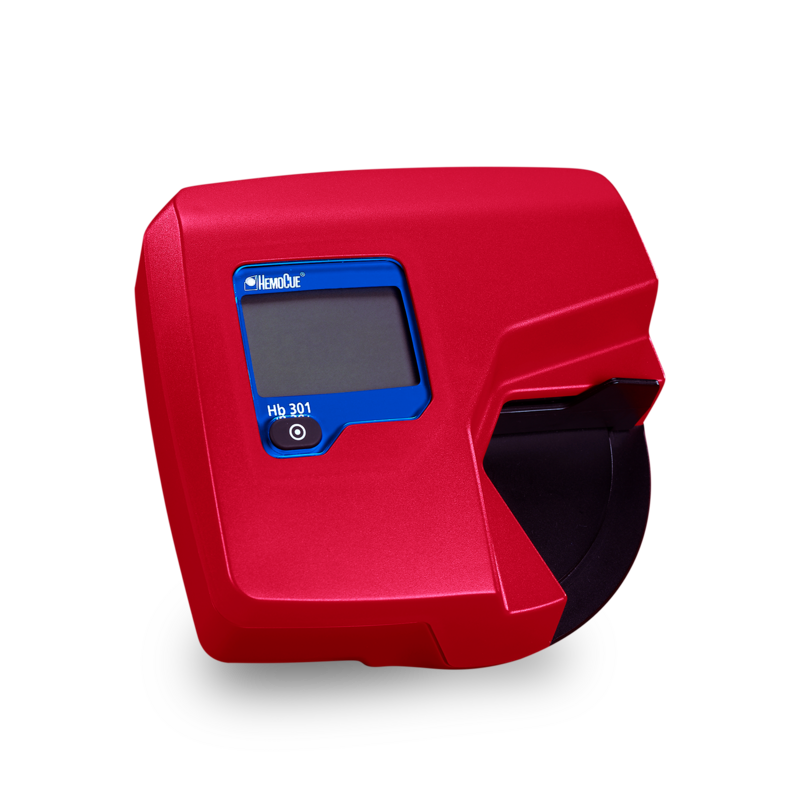
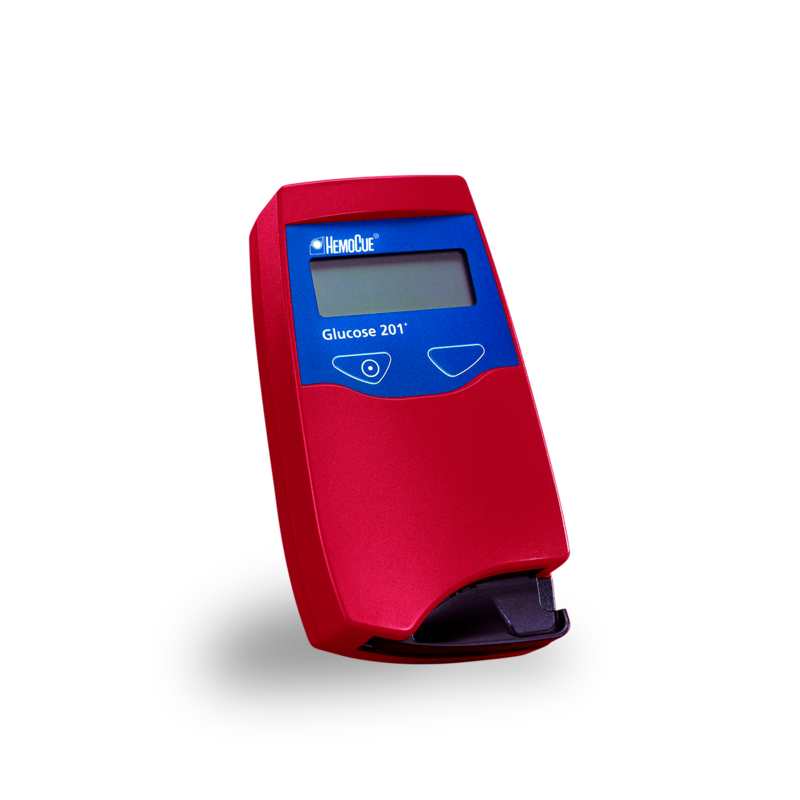
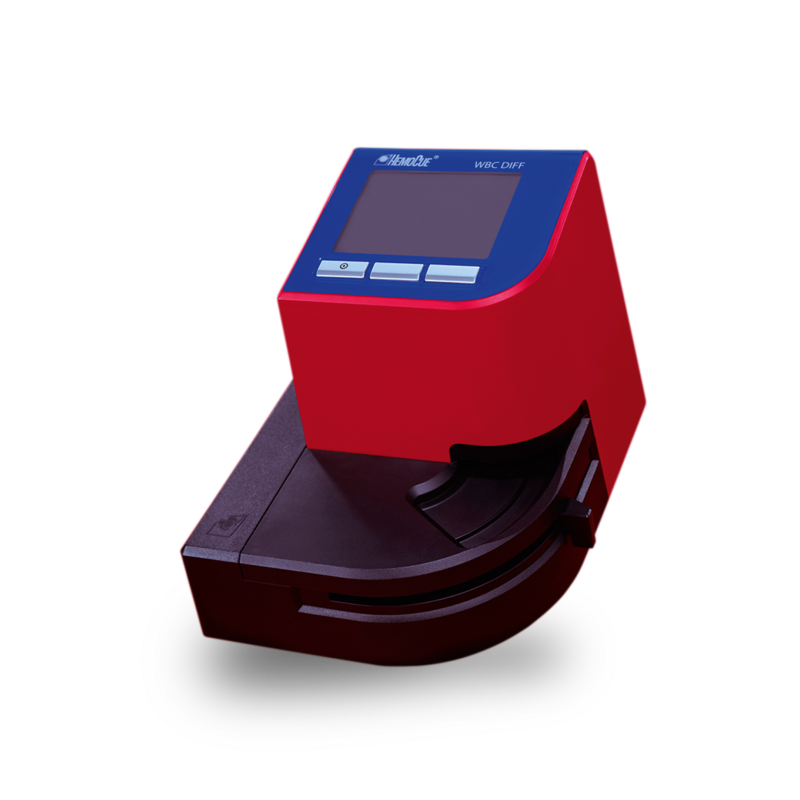
With HemoCue, we’ve made it easy to detect those at risk and take action before it’s too late. Our point-of-care testing systems give quick and reliable results with laboratory quality for Hb, glucose and HbA1c. The analyzers are small and portable, making them ideal for use, whether in a hospital or in the field.

With these systems, you have a useful portfolio of tools to manage screening at the point of care. One drop of blood in combination with HemoCue point-of-care testing systems can make a difference.

01

Immediate lab-quality results

02

Consistent performance, even in tough environments

03

Peace of mind with after-sales service


Health areas

By providing access to accurate screening tools, you can more easily detect those at risk. HemoCue’s point-of-care testing systems are portable and easy to use, even in remote settings.

Read More

Effective point-of-care tools for infection detection giving you fast and accurate results, in combination with observations of a patient’s symptoms, can support quick decision-making.

Read More

Reliable and accurate systems for screening, aiding in diagnosing and monitoring of diabetes are key for high quality patient care.

Read More

Customer stories

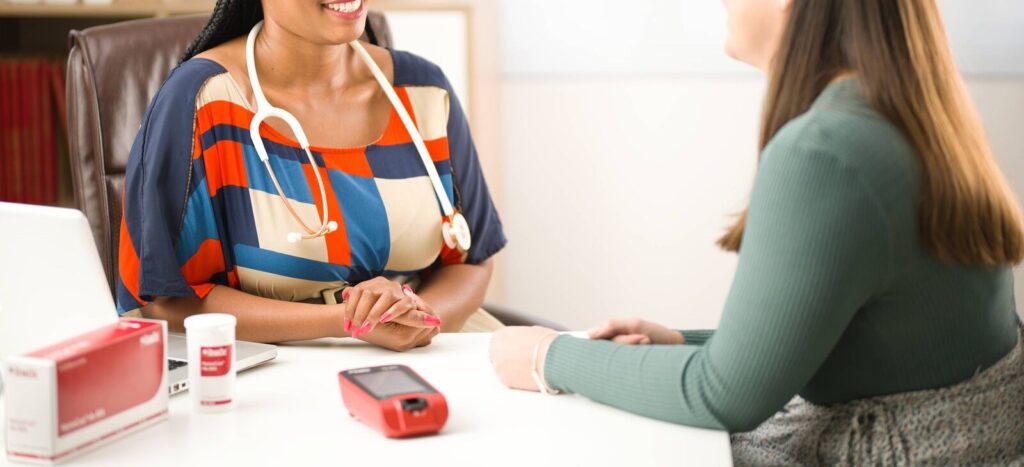
Female doctor having a consultation with a femalre patient at her desk with HemoCue products visible on the desk.

Private Medical Practice in Australia

Nepean Lung and Sleep is a private medical practice specializing in adult respiratory and sleep medicine. The clinic provides onsite diagnostic testing for respiratory and sleep disorders, as well as medical consultations with specialist physicians. Serving Western Sydney, the Blue Mountains, and regional NSW areas such as Bathurst, Orange, Mudgee, and Lithgow, they see around 2,000 to 2,500 patients per year.
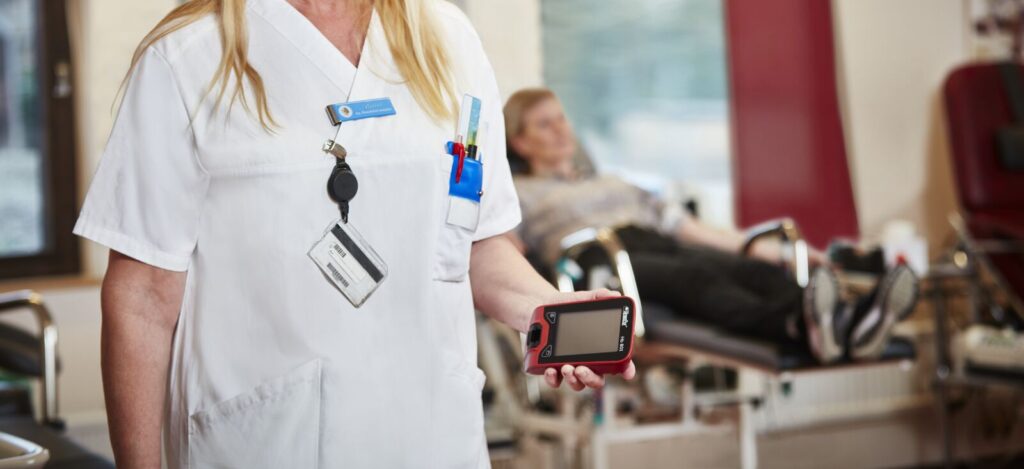
Female nurse holding a HemoCue Hb 801 Analyzer at a Blood Bank

Blood Center in Southern Sweden

Ulrika Greczula is responsible for blood collection throughout Halland County and works at the blood centers in Varberg, Falkenberg, and Halmstad. Today, Ulrika works at the blood center at the hospital in Varberg.

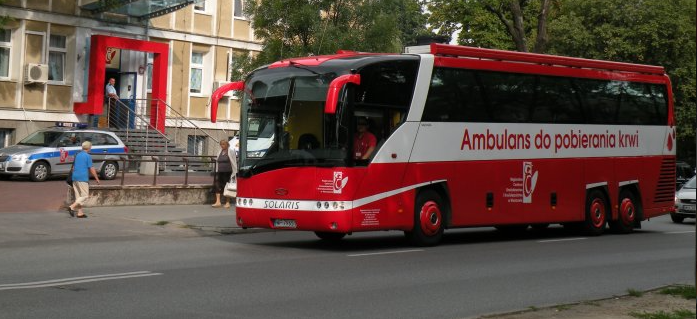
Warsaw Blood Bank bus

Warsaw Blood Bank

The Regional Blood Donation and Hemotherapy Center in Warsaw (Warsaw Blood Bank) is one of the largest blood banks in Poland. Located in the capital of the country, in the Masovian Voivodeship province, the Warsaw Blood Bank supplies blood components such as red blood cell concentrate, freshly frozen plasma and platelet blood cell concentrate to over 100 hospitals with specialist departments including hematology, transplantology, and oncology.

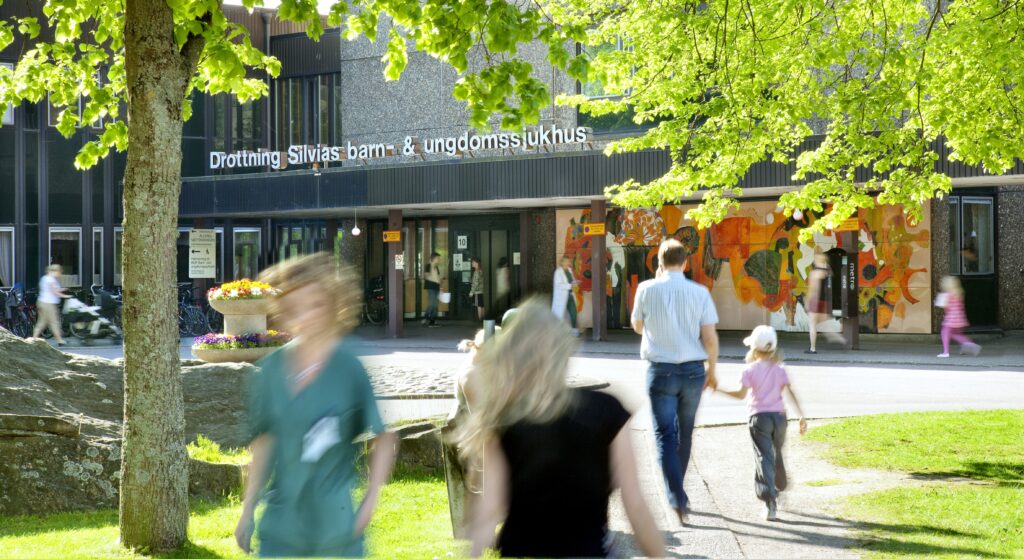
Entrence of Queen Silvias hospital in the summertime

Queen Silvia’s Hospital for Children

Queen Silvia’s Hospital for Children, a part of the Sahlgrenska University Hospital, provides healthcare, education, and research. This is where seriously ill or injured children from the region of Västra Götaland come for emergency care. It also offers highly specialized care for children from all over Sweden. The hospital has the largest emergency unit for children with nearly 50,000 patients each year.

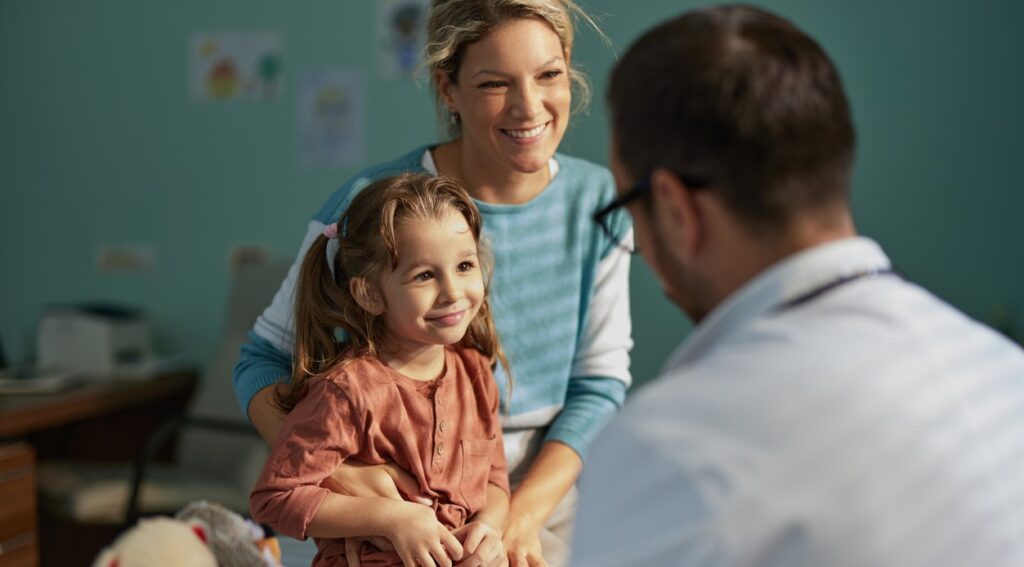
Female doctor with child and mother in primary care clinic

Private Primary Care Clinic in Varberg

Husläkarna Varmbadhuset is a private primary care center in the southern part of Sweden. It offers a broad range of high-quality medical healthcare services. Johanna Hilmersson, General Practitioner, is the operational manager at the center.

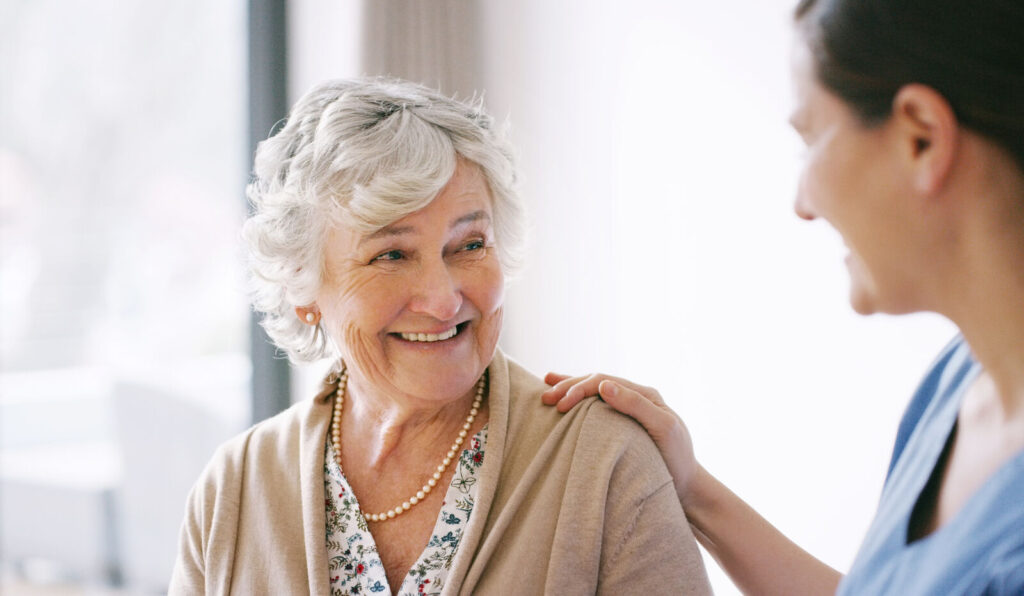
Female nurse smiling at elderly female patient

Aarhus Emergency Department

The Aarhus emergency medical team consists of 18 specially-trained nurses who, in agreement with healthcare professionals from Aarhus University Hospital, Home Health Care Services and general practitioners, can step in during acute situations at patients’ residences. Within just a few hours, the emergency team can initiate care, observe, and start treatment – 24 hours a day.