References
-
- Hawkins, Robert. Laboratory Turnaround Time. Clin Biochem Rev. 2007;28(6) 179-194


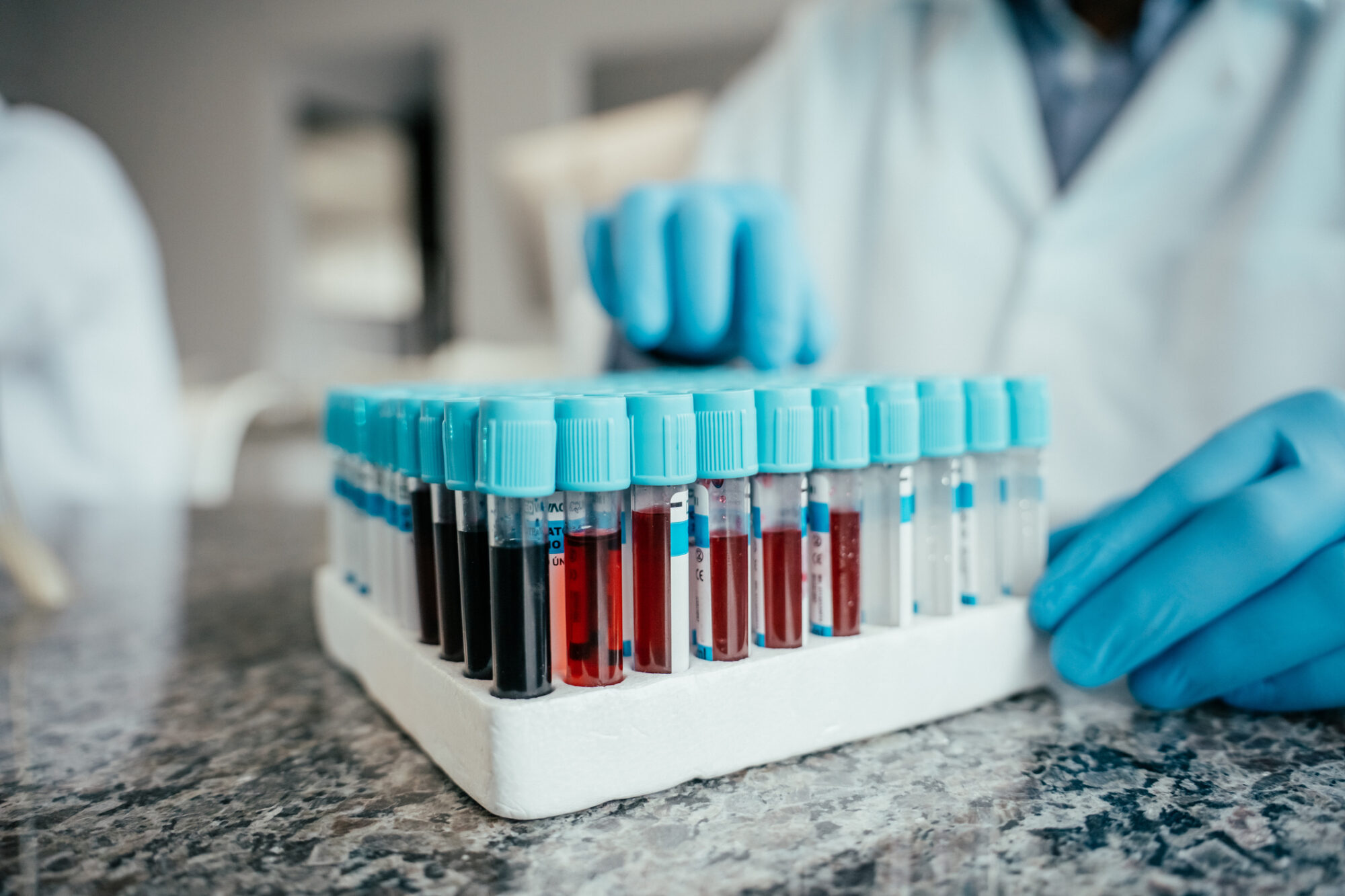
In modern clinical laboratories, every minute counts. Delays in assessing hemolysis can disrupt workflows, prolong turnaround times (TAT), and create pressure on already limited staff resources, which can impact patient outcomes.
The HemoCue® Plasma/Low Hb System changes that. It provides STAT plasma-free hemoglobin results within 60 seconds after centrifugation using a simple photometric method – no send-outs, no complex laboratory-developed tests (LDTs), and no guessing based on indirect markers.
Fill out the form to be contacted
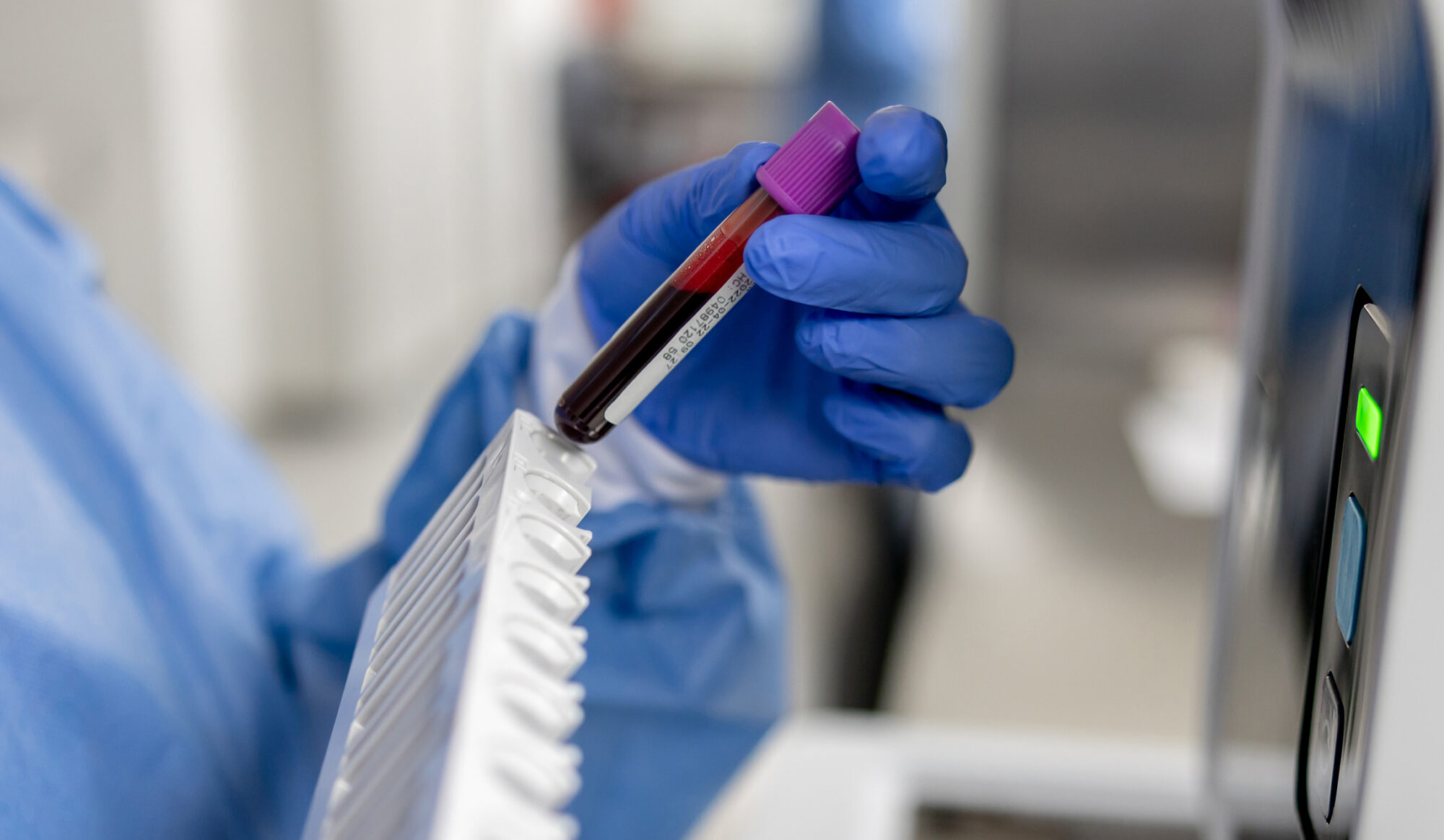
Laboratories face increasing demands for speed, accuracy, and efficiency – often with limited resources. The HemoCue® Plasma/Low Hb System is designed to support your team in delivering fast, reliable hemolysis assessment without complex setup or extensive training.
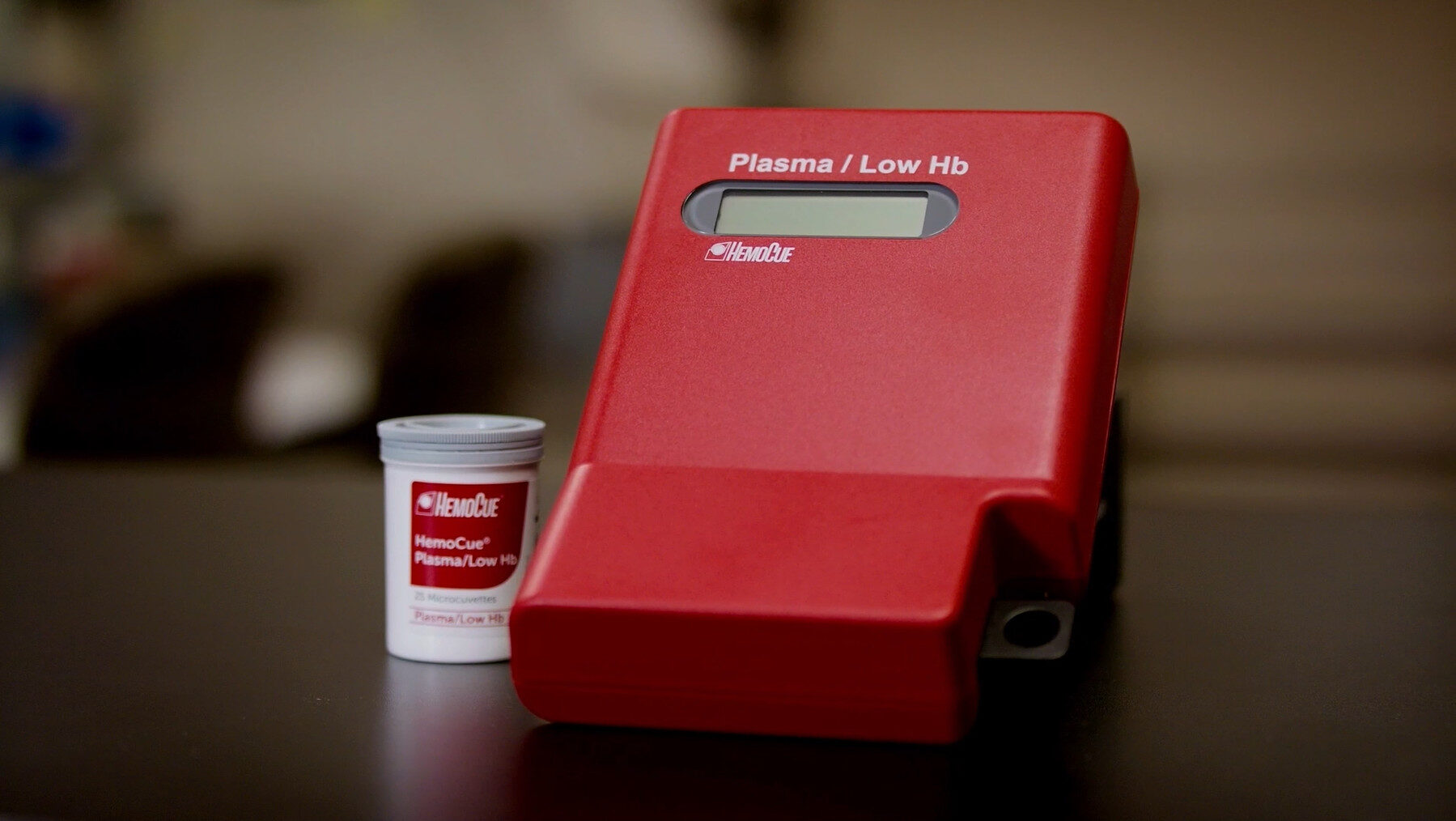
The HemoCue® Plasma/Low Hb System is compact, easy to use, and designed for high-turnover, space-constrained labs where time and simplicity matter.
Obtain STAT plasma-free hemoglobin values within 60 seconds after centrifugation to support your lab’s critical workflows
Customized validation plans and available on-site support help your team stay compliant and reduce downtime during implementation – without draining internal resources
Unlike LDH or hemolysis index tests, the HemoCue system offers fully quantitative, direct plasma-free hemoglobin results—delivering clarity when it matters
Request a demo or talk with a HemoCue specialist about the Plasma/Low Hb System and validation plans that fit your lab’s needs.
Labeled for professional use only, these diagnostic tools are AMA approved for use with multiple CPT codes.
You can find instructional videos for all systems at our HemoCue OnCue™ Support website
More than 3,000 publications include testing with HemoCue® Hemoglobin Systems. Approximately 20 million HemoCue tests were performed on patients in the US alone in 2024 with 11,000+ clinician practices and labs. These figures are based on internal data.
References