

Skip to content

Confident hemolysis assessment for perfusion programs

A fast and reliable method for critical
plasma-free hemoglobin results

Perfusion programs face high expectations for safety, oversight, and efficiency. Yet many hemolysis assessment methods fall short – whether it’s subjective visual checks, send-out testing, or reliance on indirect biomarkers like lactate dehydrogenase (LDH)1. These approaches can delay results, increase burden on staff, and make it harder to document device performance with confidence.

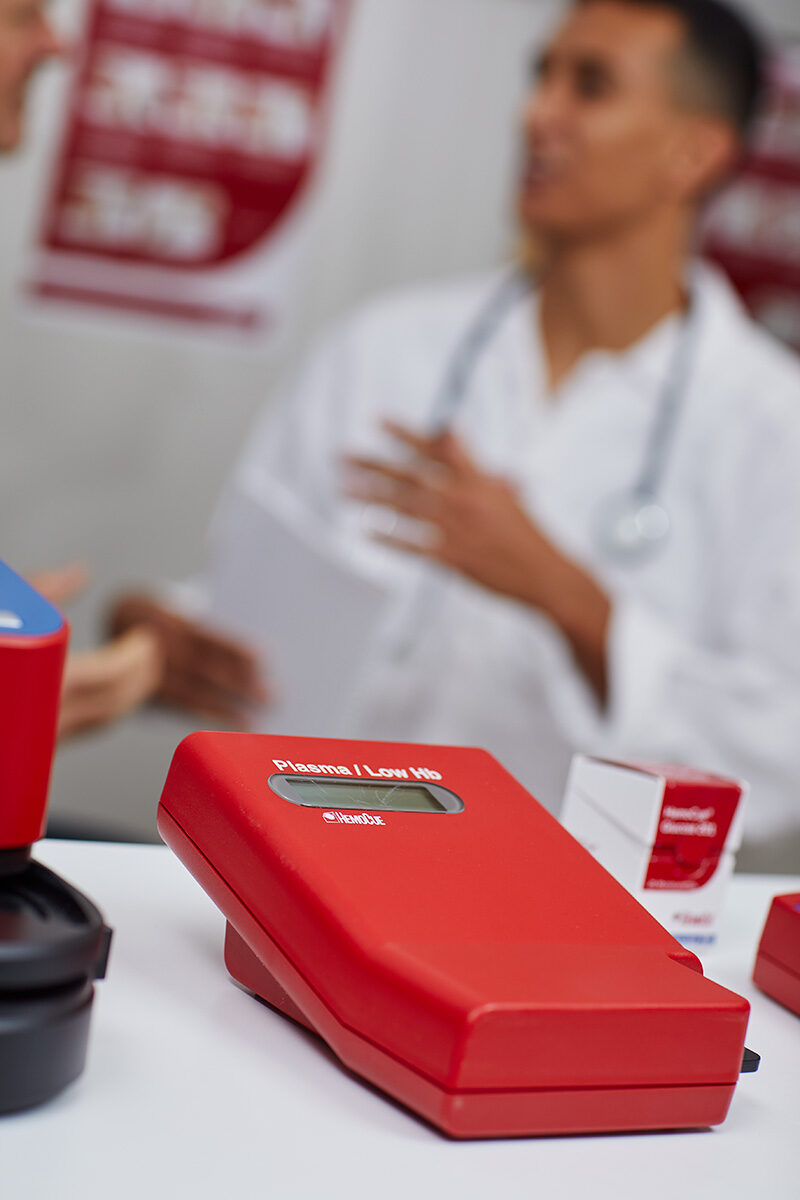
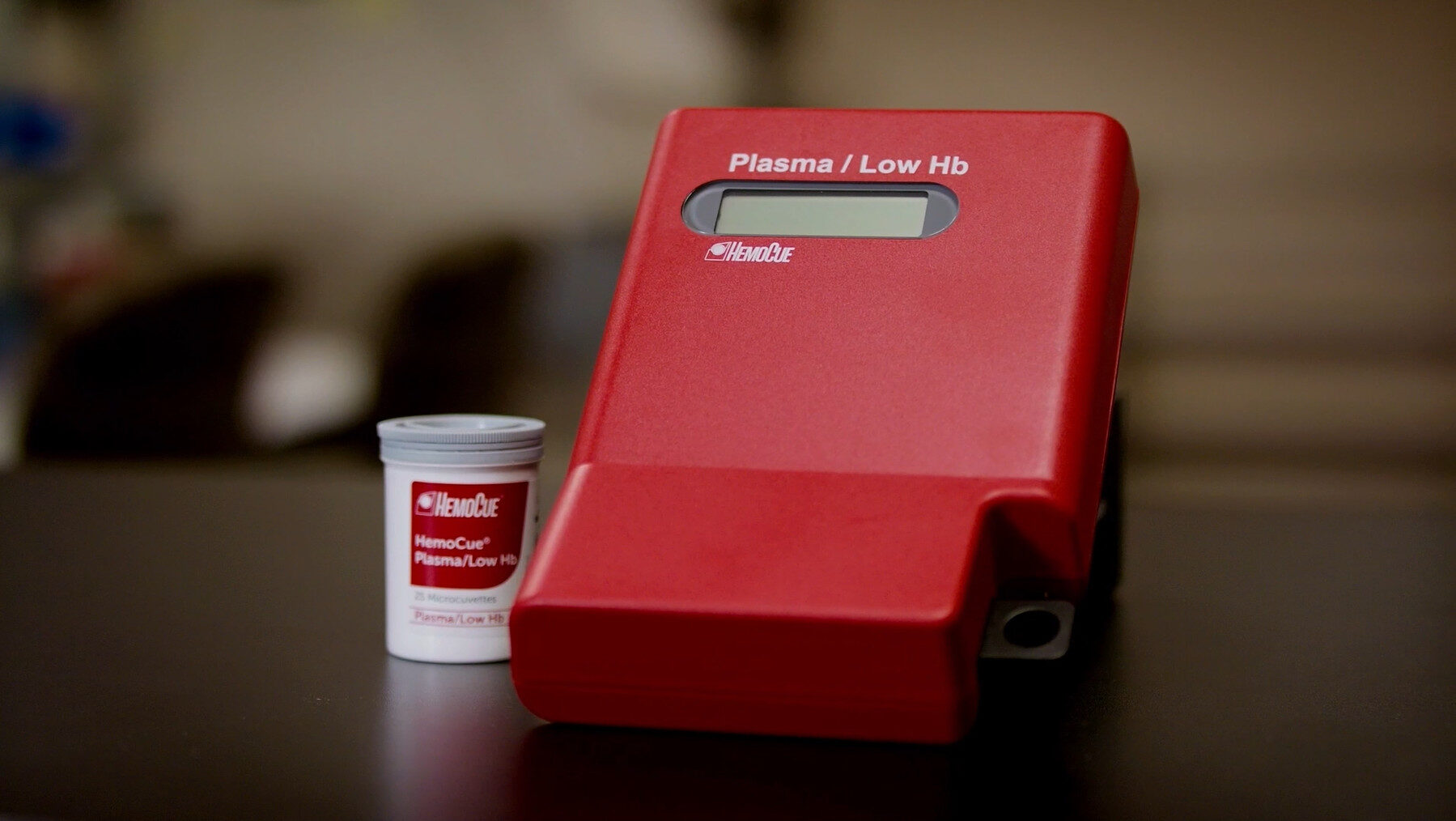
The HemoCue® Plasma/Low Hb System provides quantitative plasma-free hemoglobin (PfHb) values within 60 seconds after centrifugation. Instead of relying on indirect indicators or complex laboratory-developed tests, perfusionists gain clear, actionable data that fits smoothly into their workflow and supports compliance with professional standards.2

Fill out the form to be contacted

Strengthen your program with
direct hemolysis assessment

Perfusionists play a critical role in ensuring product quality for reinfused blood and in documenting the performance of cell salvage devices. The HemoCue® Plasma/Low Hb System supports those responsibilities by making plasma-free hemoglobin testing practical and reliable on-site.


  • Fast results where you need them. Obtain quantitative plasma-free hemoglobin values within one minute to track hemolysis as part of routine workflows.
  • Direct biomarker clarity. Unlike LDH1 or hemolysis index methods3, PfHb offers a specific and quantitative indicator of red cell damage1, giving perfusionists clearer insight into product quality.
  • Simple integration. Compact and intuitive, the system requires minimal training, no end-user calibration, and one simple centrifugation step prior to sample analysis.
  • Confidence in quality control. Plasma-free hemoglobin assessment allows perfusion programs to track washout efficiency and plasma clearance rates4 with clarity and speed.

Validation and support for seamless adoption

Adding new hemolysis assessment tools doesn’t have to mean disrupting your workflow. We offers flexible validation plans and on-site specialist support to minimize downtime and reduce demand on your staff.

Whether your program is establishing a new protocol or strengthening an existing one, we helps ensure plasma-free hemoglobin testing fits smoothly into your workflow.

01

Loaner instruments and premade validation worksheets streamline implementation

02

On-site specialists offer training, troubleshooting, and validation execution support

03

Comprehensive data analytics and reporting options help build confidence and documentation


See how easy it really is to use our system – watch the quick guide


Bring clarity and efficiency to
perfusion workflows

See how the HemoCue® Plasma/Low Hb System can provide the speed, accuracy, and confidence your team needs to strengthen hemolysis assessment and quality oversight.

Learn more about The HemoCue® Plasma/Low Hb System

Fill out the form below and a local representative will contact you


MMUS-1242

References

    1. Liu A et al. Plasma free hemoglobin is associated with LDH, AST, total bilirubin, reticulocyte count, and the hemolysis score in patients with sickle cell anemia. Ann Hematol. 2025 Apr;104(4):2221-2228
    2. Association for the Advancement of Blood & Biotherapies. Fundamental standards for blood collection and transfusion. 1st ed. Bethesda, MD. 2018
    3. Calvaresi EC et al. Plasma hemoglobin: A method comparison of six assays for hemoglobin and hemolysis index measurement. Int J Lab Hematol. 2021 Oct;43(5):1145-1153
    4. Dong P, Che J, Li X, Tian M, Smith FG. Quick biochemical markers for assessment of quality con­trol of intraoperative cell salvage: a prospective observational study. J Cardiothorac Surg. 2014May 14;9:86