References
1 https://www.who.int/news-room/fact-sheets/detail/anaemia


Hb testing during pregnancy is essential for detecting anemia but do you always need a CBC for Hb testing?
Get reliable Hb results with our fast, easy and reliable point-of-care system. With the HemoCue® Hb 301 System, you can count on getting the right answer at the right time, so essential information is always captured.

Anemia is a condition in which the number of red blood cells or the hemoglobin concentration within them is lower than normal. It mainly affects women and children. Anemia occurs when there isn’t enough hemoglobin in the body to carry oxygen to the organs and tissues.
In severe cases, anemia can cause poor cognitive and motor development in children. It can also cause problems for pregnant women and their babies.
Anemia can be caused by poor nutrition, infections, chronic diseases, heavy menstruation, pregnancy issues and family history. It is often caused by a lack of iron in the blood. 1
Anemia causes symptoms such as fatigue, reduced physical work capacity, and shortness of breath.
Common and non-specific symptoms of anemia include:
Severe anemia can cause more serious symptoms including:
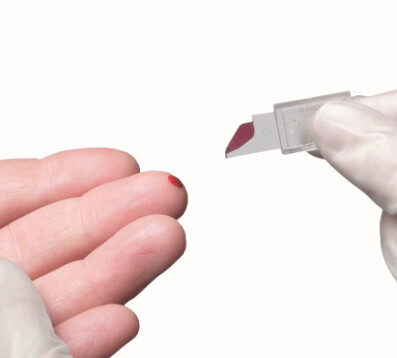
Fill the microcuvette with a drop of blood
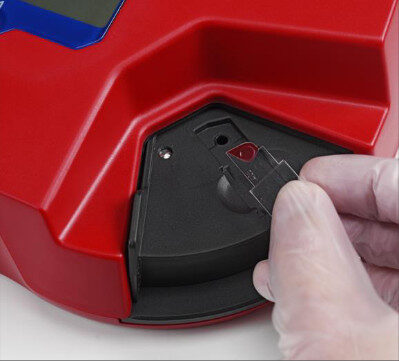
Place the microcuvette in the analyzer
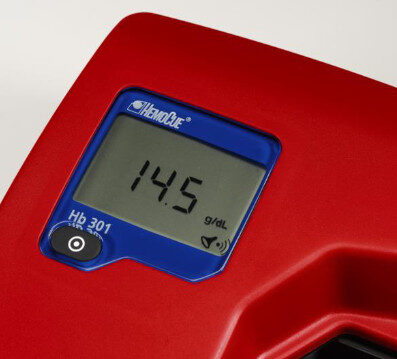
Receive a lab-quality result – within 3 seconds
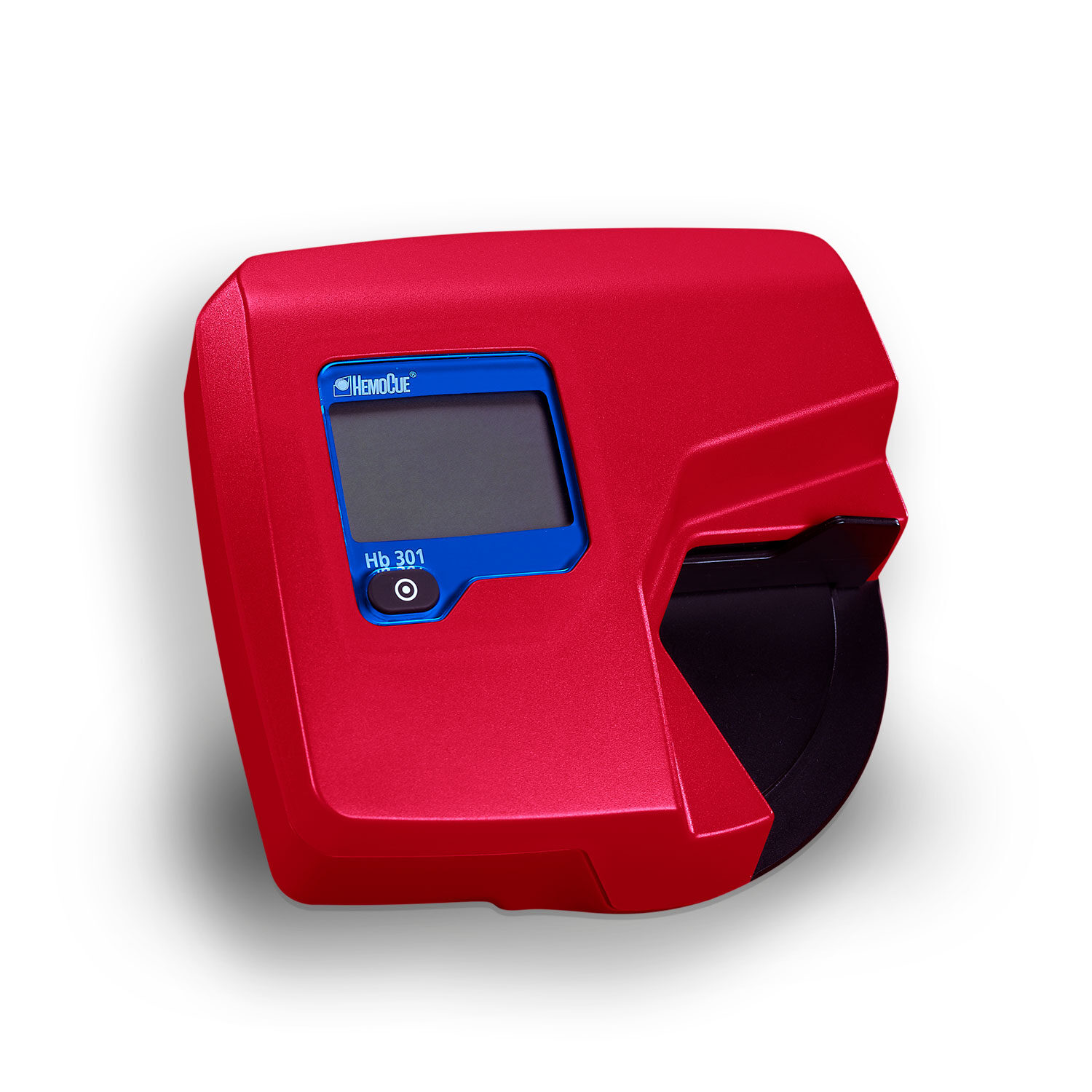
The HemoCue® Hb 301 System offers a simple and convenient solution for anemia screening with lab-quality results. Have confidence in your answers at the point of care.
It is good practice to clean the cuvette holder after each day of use. If the optronic unit becomes dirty, an error code will be displayed. To clean the optronic unit, please use a HemoCue® Cleaner and follow the maintenance guide in the Instructions for Use for the HemoCue® Hb 301 Analyzer.
Once a new HemoCue® Hb 301 Analyzer leaves the HemoCue production facilities, the analyzer is factory calibrated and needs no further calibration.
The cut off levels for anemia vary depending on the age and gender of the person. It is the World Health Organization (WHO) which is producing the guidelines for anemia testing and set the recommended cut off levels. Please visit the WHO website to get the most recent updates.
Operating temperature for the system is 10–40 °C (50–104 °F). The system
should not be operated at < 5% or > 90% non-condensing humidity.
Please consult the package insert for the HemoCue® Hb 301 Microcuvettes and the Instructions for Use for the HemoCue© Hb 301 Analyzer for further information.
A good capillary sampling technique is needed to achieve the best result. The Instructions for Use for the HemoCue® Hb 301 Analyzer have a detailed description of the steps with clear instructions on what to do and what not to do.
As stated in the IFU (instructions for use), it is recommended to verify unexpected results using venous blood, or to confirm results by an alternative method.
References
1 https://www.who.int/news-room/fact-sheets/detail/anaemia